
A Decade of Promoting Fairness: Expanding Access, Impact and Value
Final Report of Ontario Ombudsman Paul Dubé 2016-2026
Table of contents
Office of the Ombudsman of Ontario
We are dedicated to being an effective agent of positive change for the people of Ontario and ensuring that their rights are respected and that public services are delivered with professionalism and fairness.
Acknowledgement of Territory
The Ombudsman of Ontario acknowledges that the province of Ontario is situated on the lands and territory of more than 130 unique First Nations, each with its own distinct cultures, languages and histories that predate the existence and boundaries of the province.
We acknowledge the existence of political confederacies on these lands that predate both Canada and Ontario, such as the Three Fires Confederacy and the Haudenosaunee Confederacy, who among themselves have treaties and relationships that make up the dynamic landscape of this province.
We humbly recognize that we have collective responsibilities and obligations within the more than 40 treaties in Ontario, such as Treaty 3, Treaty 9, the Robinson Superior and Huron Treaties, and the Williams Treaties.
We recognize that Indigenous peoples who have cared for these lands for millennia have been dispossessed by colonization, and we seek to find ways to remedy both historic and ongoing wrongs.
We are grateful to have travelled and worked in First Nation territories and with Métis and Inuit peoples in Ontario since the inception of the Ombudsman 50 years ago.
Ombudsman Ontario is committed to building respectful relationships with First Nation, Inuit and Métis people and communities in Ontario through trust and transparency in order to be able to provide more services for a shared better future.
Message from the Ombudsman
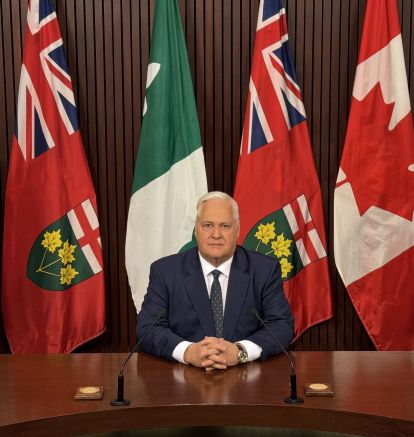
As my 10-year term as Ontario’s seventh parliamentary Ombudsman comes to an end, I have had the opportunity to reflect on what this institution has accomplished – not just over the past decade, but over the 50 years of its existence, an anniversary we marked in late 2025. I do so with deep gratitude for the tremendous team I have had the privilege of leading, and with a deep sense of pride in what we have contributed and achieved together.
When I assumed this role in 2016, Ombudsman Ontario was already a respected and vital institution. What followed was a decade of extraordinary change and challenges. The Office began the largest expansion in its history in 2016, assuming oversight of municipalities, universities and school boards. This was followed by integration of the mandates of the French Language Services Commissioner and the Provincial Advocate for Children and Youth in 2019. The number of public bodies under our jurisdiction grew from about 500 to well over 1000. Those historic changes dramatically transformed who we serve, how we work, and how deeply we are connected to communities across Ontario.
With expanded responsibility came expanded expectations. We welcomed new rights-holders and new collaborators into the Ombudsman landscape. Soon after that, we confronted the unprecedented disruption of the COVID-19 pandemic – a period that profoundly complicated our work. Almost overnight, we pivoted to remote operations while ensuring that we remained accessible, especially to those who had nowhere else to turn. Despite extraordinary obstacles, we continued to be accessible, to resolve complaints, to investigate issues, to advocate for fairness, and to serve Ontarians when they needed us most, while also prioritizing the health and safety of our team. And we continue to deal every day with issues that shape the lives of Ontarians in profound and lasting ways.
Throughout this transformation, we worked hard to build relationships based on trust and credibility – particularly with Francophone communities, racialized people, persons with disabilities, children and youth, and Indigenous Peoples. And through every challenge, we remained steadfastly focused on our core mission: Promoting fairness, transparency, accountability and respect for rights in Ontario’s public sector.
Indigenous Services
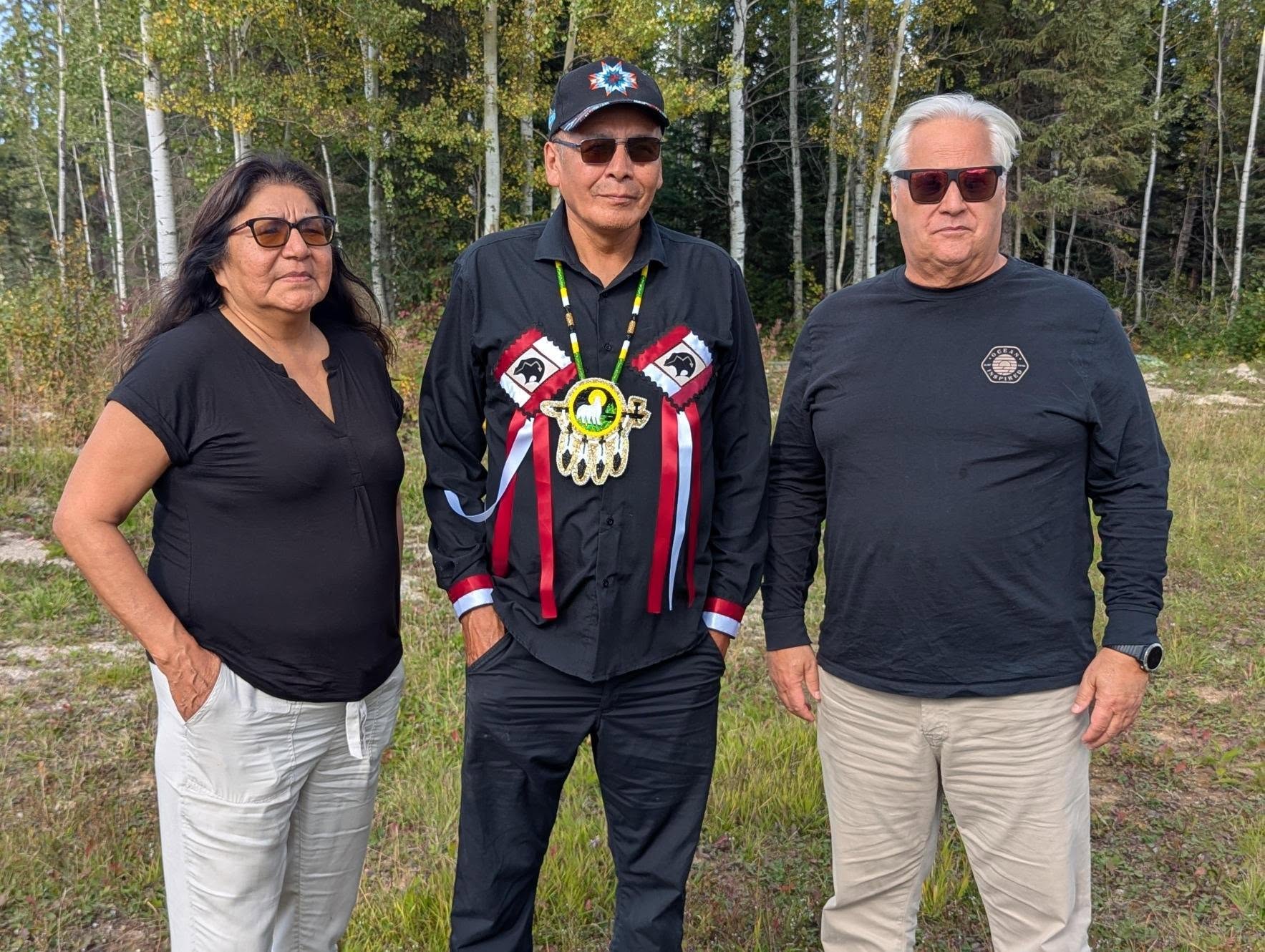
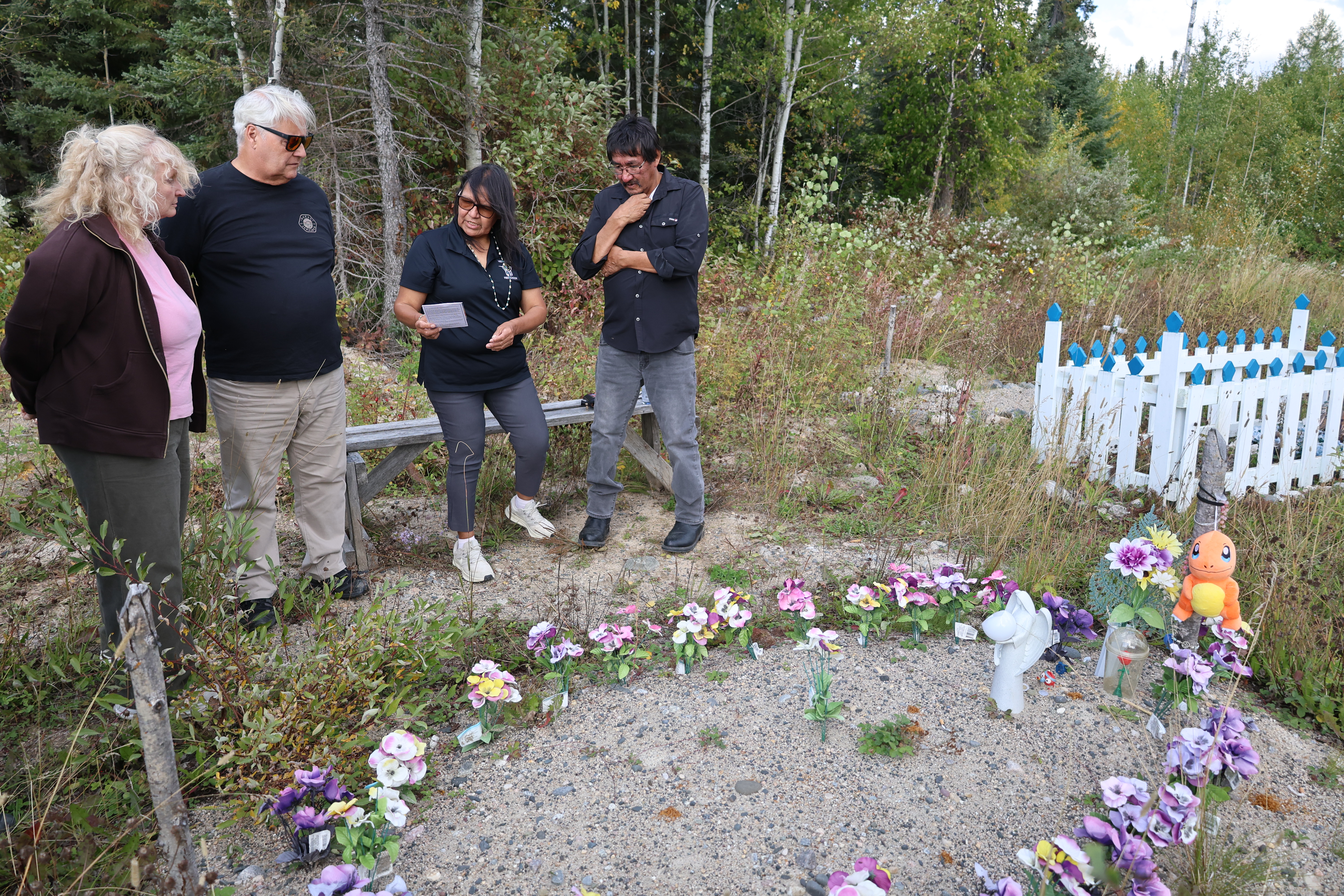
One of my top personal priorities has been ensuring that this Office better serves Indigenous Peoples and communities and contributes to reconciliation in a meaningful way. In recent years, we made the co-creation of an Indigenous Services Plan a central organizational commitment. Through listening, learning and genuine partnership, we have begun to chart a new path – one that recognizes the unique role an Ombudsman can play in advancing reconciliation within our jurisdiction. This work is still unfolding, but it represents some of the most important progress of my tenure.
Looking Forward
Every year, the skilled professionals at Ombudsman Ontario help thousands of people access the justice or public services they are entitled to. And our recommendations for systemic reforms have led to significant improvements that have made Ontario a better place to live and work. At the same time, this decade confronted us with serious and persistent crises – and there is much more work to be done.
This final report is both a reflection on the past decade and a look toward the future. It chronicles what has been achieved – expanded mandates, strengthened relationships, systemic improvements, and tens of thousands of individual problems resolved. It also speaks candidly about the challenges that remain in correctional services, education, developmental services, and the many complex public systems that shape people’s daily lives.
Correctional services
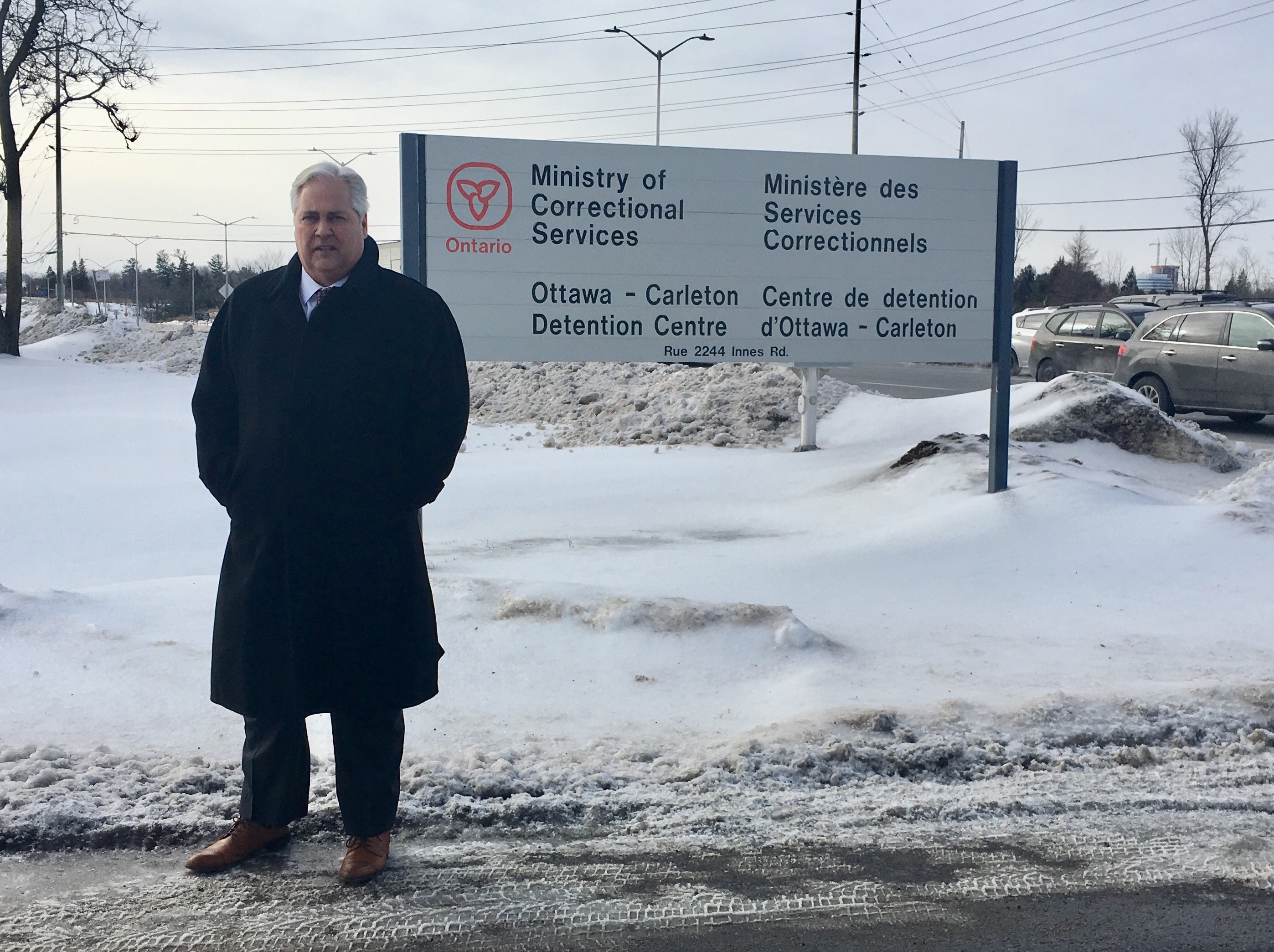
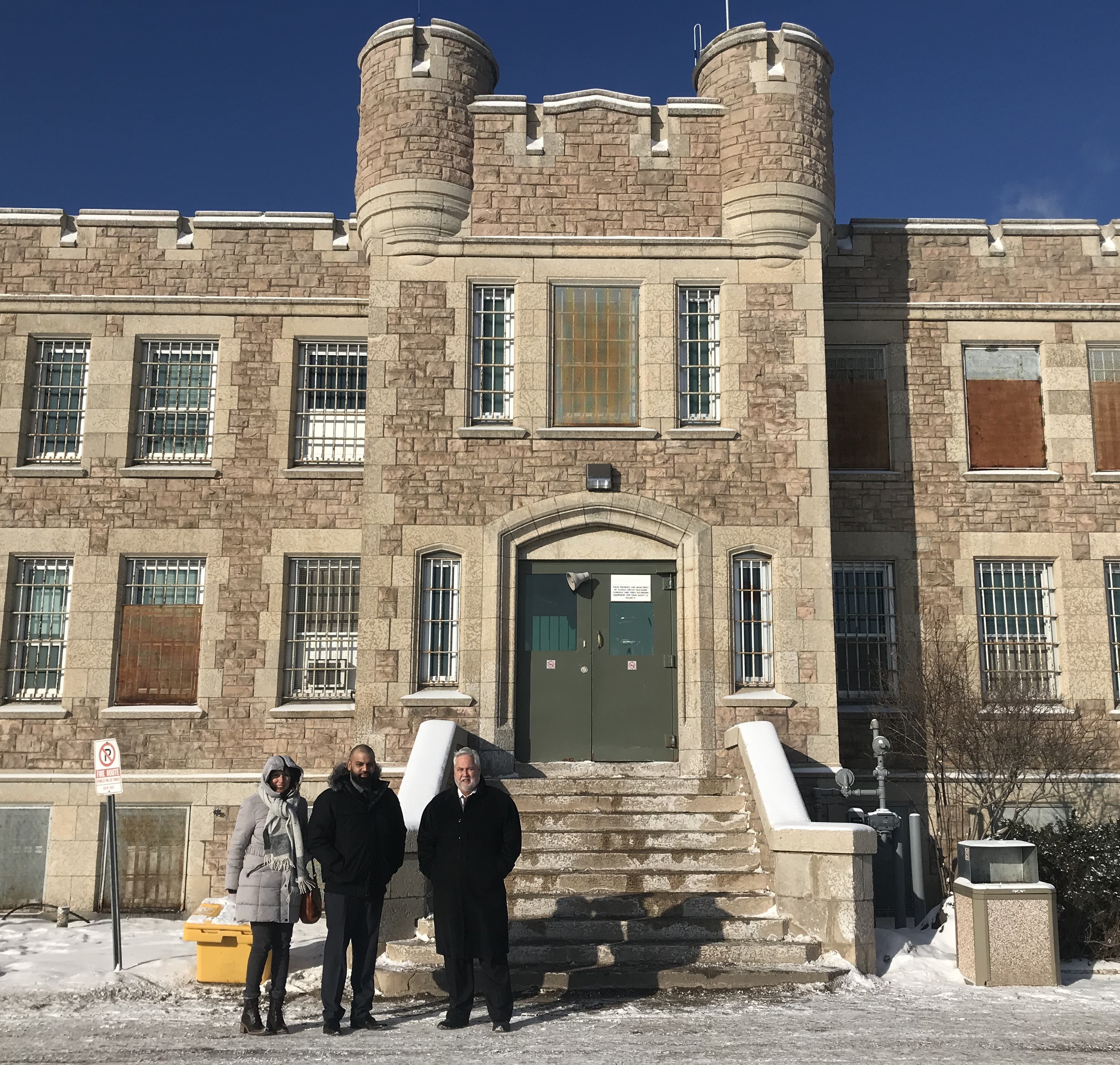
Few areas illustrate the need for urgent reform more clearly than correctional services. Throughout my tenure, conditions within Ontario’s jails, detention centres and youth justice facilities have remained among the most persistent and troubling issues brought to this Office.
From the outset, complaints from people in custody and their families have consistently ranked among our highest volumes. They describe chronic overcrowding, extended lockdowns, inadequate health care, excessive use of force, and frequent or prolonged segregation placements that fall short of legal, professional and human rights standards. In 2024-2025, correctional services generated a record 6,870 cases – a 55% percent increase over the previous year – driven largely by concerns about medical care, overcrowding, lockdowns, segregation and use of force.
Recognizing the seriousness of these problems, my Office undertook major investigations and made formal submissions aimed at systemic reform. In 2016, our submission, Segregation: Not an Isolated Problem, documented the harmful overuse of segregation and called for clear limits, stronger safeguards, and independent review. Our 2017 investigation report, Out of Oversight, Out of Mind, revealed severe gaps in monitoring and accountability and made 32 recommendations to strengthen transparency and oversight. Although many recommendations were accepted – including a more realistic definition of segregation – full implementation has depended on statutory changes that remain incomplete years later. Even where regulations now prohibit segregating individuals with serious mental illness, the complaints we receive continue to show inconsistent compliance.
Meanwhile, pressures on the system have only intensified. Too many inmates are housed in facilities with too few staff. Overcrowding remains chronic, staffing shortages lead to cancelled programs, and prolonged lockdowns confine people to cells for excessive and dangerous periods. Conditions continue to deteriorate, creating growing safety risks, both for staff and for those in custody.
To understand why this matters so profoundly, we must recognize who is actually held in Ontario’s jails. Approximately 80% are on remand – they have not been convicted of any offence and are awaiting trial, often for extended periods. The remaining 20% are serving sentences of less than two years. In other words, the vast majority will return to the community in the near future.
What happens inside our jails therefore directly shapes what happens outside of them.
When a person is held in conditions that are unsafe, overcrowded or inhumane, the damage does not end when they are released:

- If they develop a substance use disorder in custody, they return to the community with that addiction.
- If they join a gang for protection inside, those affiliations follow them home.
- If they experience violence or prolonged isolation that causes mental health injury, including post-traumatic stress disorder, they carry those harms back into society.
- If they receive poor health care in jail, including inadequate communicable disease prevention, the community faces increased public health risks and costs when they return to it.
Deteriorating jail conditions do not promote rehabilitation – they destabilize lives, deepen vulnerability, and increase the risk of future offending. This is not simply an internal correctional issue. It is a public safety issue, a public health issue, and a human rights issue.
The consequences are already evident. Ontario courts have increasingly stayed charges or reduced sentences because conditions of confinement have been found to breach constitutional standards. Every such ruling is a clear signal that the system is failing in its fundamental duties.
That should matter to all of us, because what happens inside provincial jails does not stay there. It affects families, neighbourhoods, hospitals, and the safety of communities across Ontario. Allowing conditions to decline further means exporting instability and harm directly into the broader public.
For these reasons, the crisis in Ontario’s correctional facilities remains one of the most urgent public policy challenges facing the province today – and one that demands immediate, decisive action.
Education
The education sector has experienced significant upheaval in recent years. We have seen increasing turmoil in school board governance, rising public frustration, and growing concerns about transparency and the meaningful inclusion of community voices in decision-making.
These issues go to the core of public confidence in institutions that families depend on every day. Our work in this area, with the Ministry of Education as well as through our oversight of school boards since September 2015, has reinforced how essential independent oversight is when systems designed to serve the public come under strain.
Governments are elected to set and implement policy based on their assessment of how well those systems are functioning. Our role, by contrast, is to safeguard procedural fairness, transparency and clear, respectful communication – values that remain critical regardless of the policy choices being made.
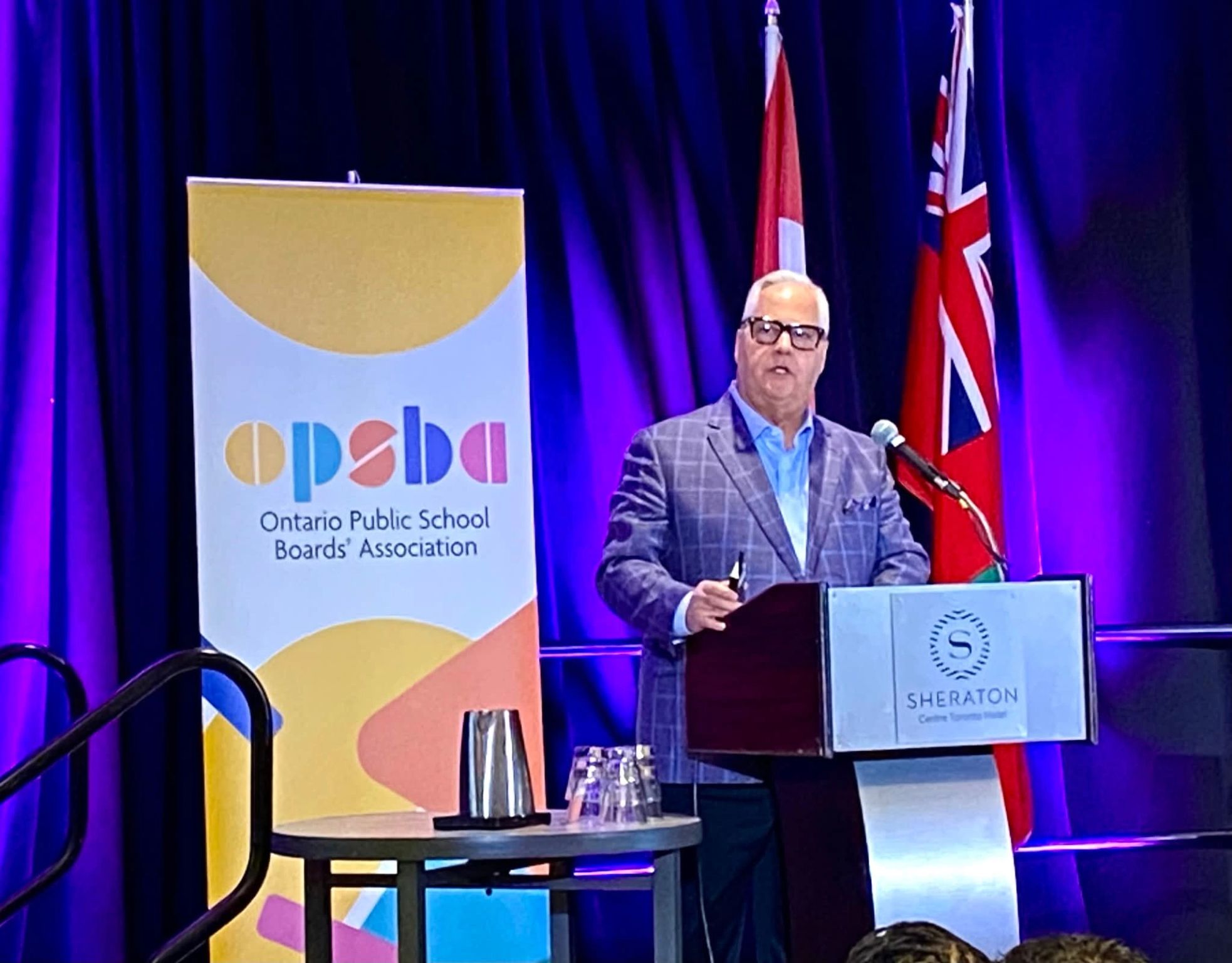
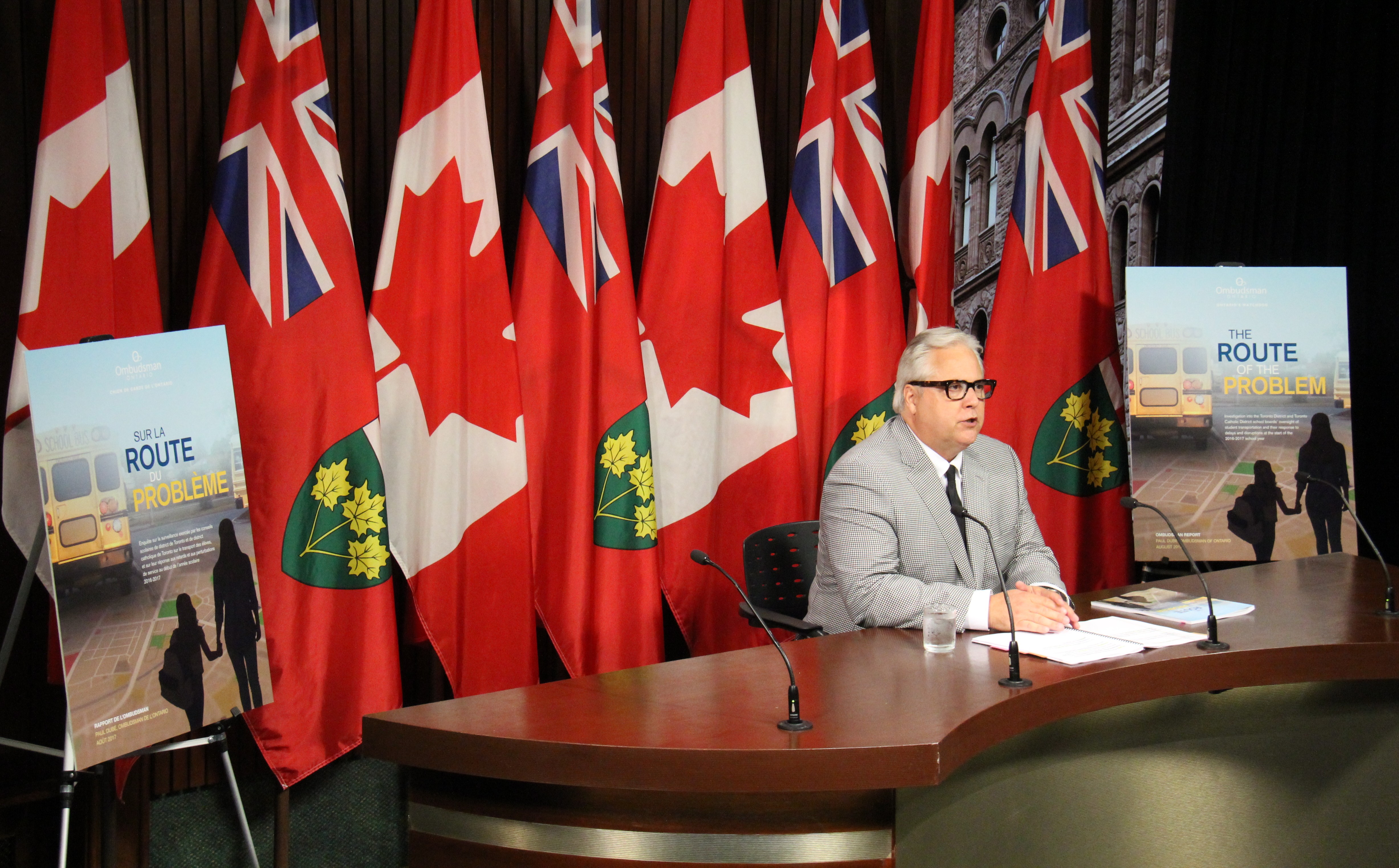
By addressing individual complaints, identifying systemic issues, and promoting better administrative practices, we help strengthen trust in a sector that is fundamental to the well-being of Ontario’s communities.
We value our ongoing collaboration with your office and remain committed to reflecting and evolving our practices to better respond to the needs of the students we serve.
– Letter from a school board Superintendent of Education, February 2025
Developmental services
Another area that continues to demand sustained attention is the chronic lack of appropriate supports and services for people with intellectual disabilities. Too often, we have heard from individuals and families who came to us after being left without adequate housing, community programs, crisis supports or coordinated care.
Despite decades of government efforts and intent to transform the system away from the institutional model of decades ago, some adults with developmental disabilities – particularly those who live with complex conditions or serious behavioural challenges – continue to find themselves excluded from their communities. Institutional care no longer happens through design but by default. There are far too few community placements able to accommodate the needs of individuals who have been labelled as hard to serve.
With nowhere else to turn, those in crisis can find themselves inappropriately housed in a variety of institutional settings, from hospitals to jails. Our work has revealed a fragmented system in which vulnerable people were shuffled between ministries, agencies and service providers – with no clear accountability for outcomes.
Our 2025 report, Lost in Transition, highlighted seven individuals who languished in hospitals – sometimes restrained – for months or years. They weren’t there for medical reasons, but because there was nowhere else for them to go. In case after case, their conditions worsened in hospital. Hospitals are not designed for this, and as our report demonstrated, prolonged hospitalization can worsen behaviours and conditions, making eventual transition even harder and more costly.
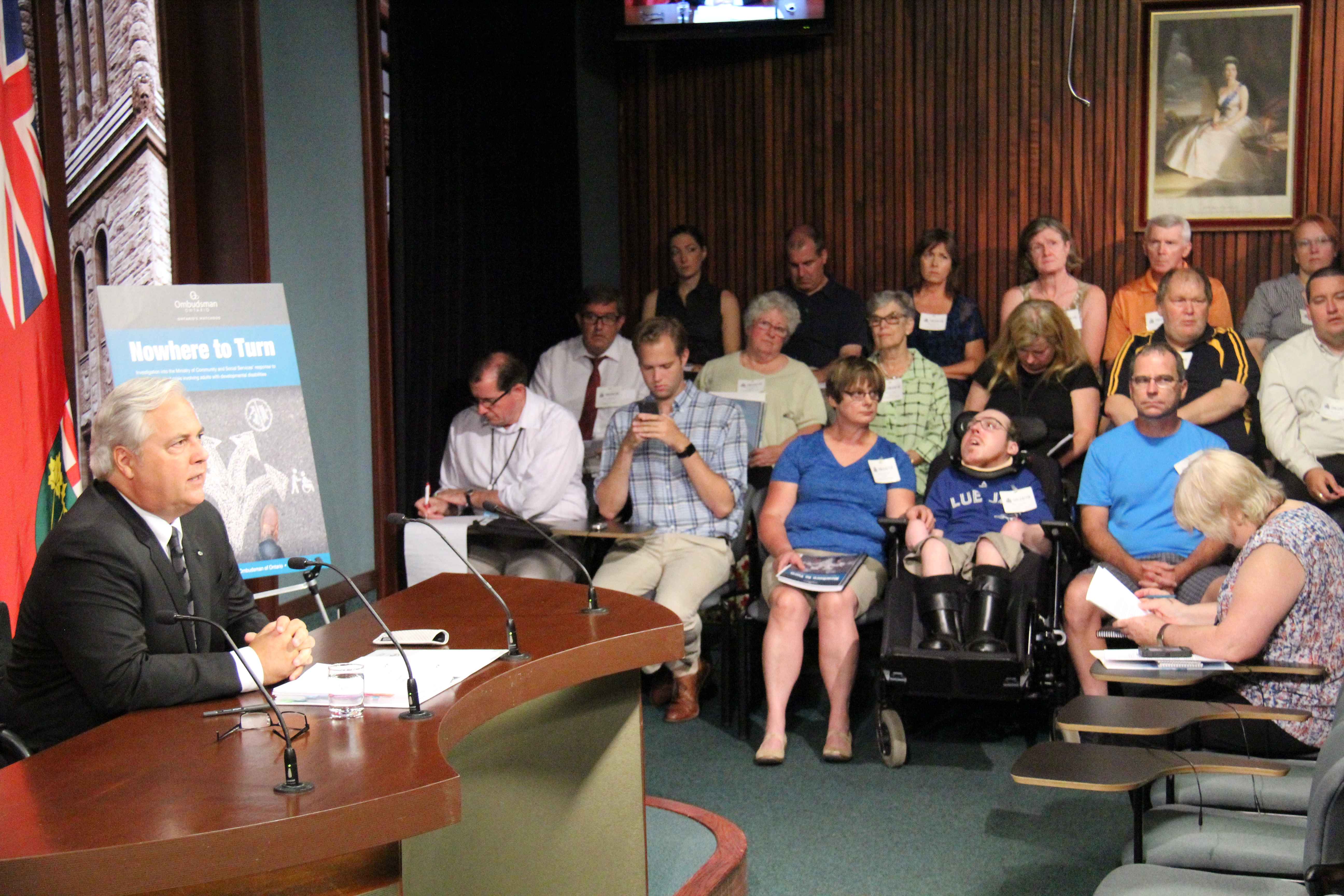
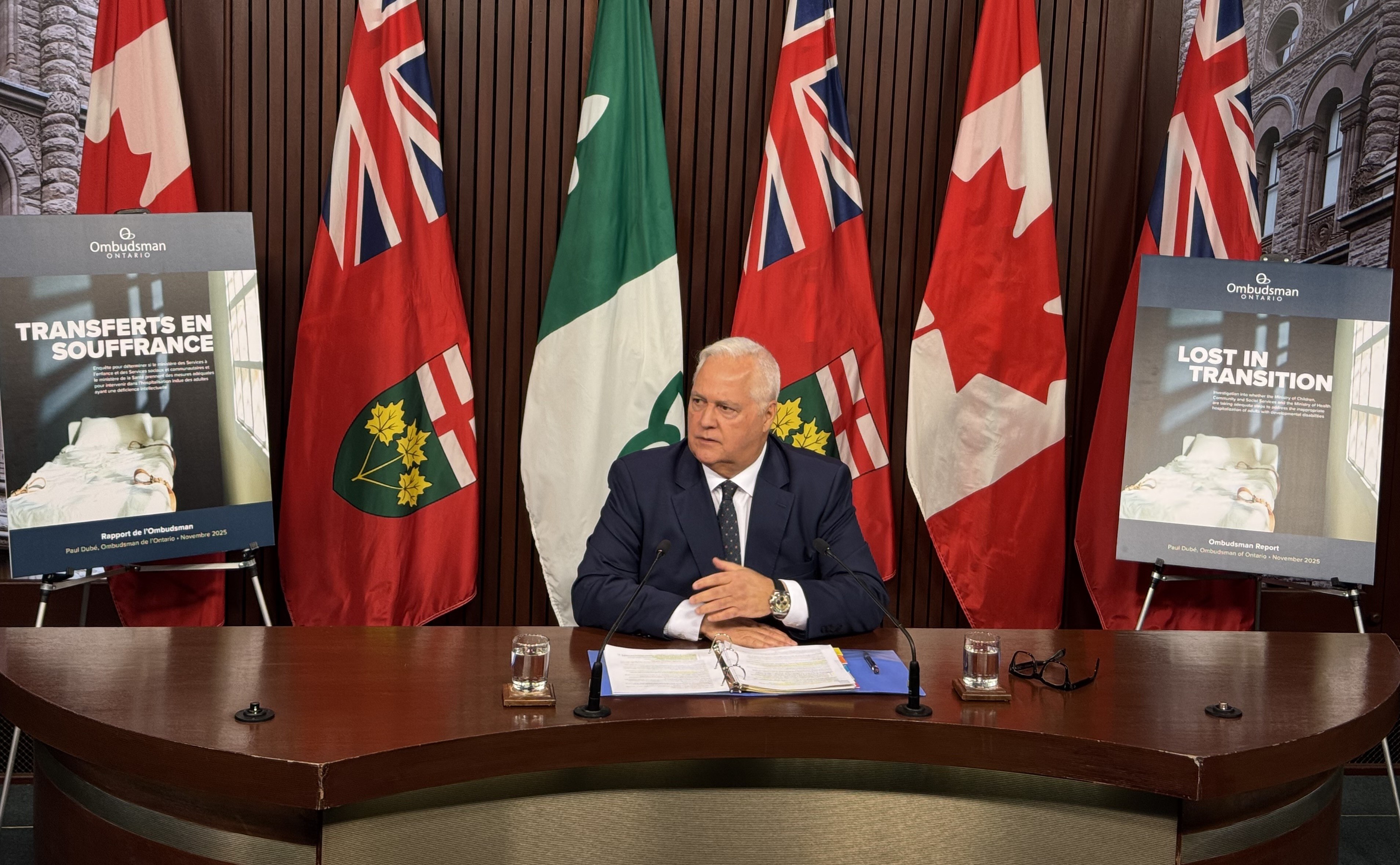
The financial costs to the province are enormous. Housing someone in a hospital bed for years is extraordinarily expensive for both the health care and developmental services systems. And the longer people remain in hospital, often under chemical or physical restraints, the more their needs grow, multiplying future costs.
Through individual case resolutions, systemic investigations and persistent engagement with government partners, we have pressed for more responsive planning, better coordination and greater respect for the dignity and rights of people with intellectual disabilities. This work reinforces a fundamental truth: Fairness in public administration must be measured by how well systems serve those who face the greatest barriers.
Good afternoon, Paul,
I couldn’t help but feel the need to contact you and personally thank you and your team for the work you have done in regard to our clients in hospital and/or other unsuitable settings.
Today, you painted a picture of the exact reality of our system, the barriers, and challenges our families, clients and frontline workers face on a daily basis. You could not have done a better job, it was perfect!
The way you acknowledged the systemic issues, the recommendations, and even in the way you responded to questions. Amazing!
I am hopeful this will spark changes in the near future, and I am sure you have restored the confidence in the individuals we serve and partner with as well. You and your team are appreciated!
THANK YOU
– Email to Ombudsman from developmental services provider, November 2025
Our Commitment
For over a decade now, our jurisdiction has continued to expand. Complaint volumes have risen substantially and the matters brought to us have become increasingly complex. Yet Ombudsman Ontario has never wavered. We adapted, innovated and continued to deliver for Ontarians.
None of this would have been possible without the professionalism and dedication of the exceptional people I have had the privilege of leading. This team cares deeply about public service and understands that behind every complaint is a person seeking to be treated fairly. Their commitment is the true foundation of everything described in this report.
Ombudsman institutions now operate in an increasingly challenging global environment. Around the world, democratic norms and public institutions are under pressure, and public trust is more fragile than it has been in generations. Independent oversight bodies are not immune from these forces. Throughout my term as Ombudsman, a central objective has therefore been not only to position this Office for success, but to ensure its long-term sustainability in uncertain times.
Independent oversight is not a luxury – it is a necessity in a healthy democracy. Over the past decade, this Office has proven its ability to grow, adapt and respond to change while remaining firmly grounded in its principles. I am confident that it will continue to do so long after my term has ended.
I have often reminded my team that it is not enough simply to explain what an Ombudsman is – we must demonstrate our value every day through our actions and our results. Raising awareness of this institution is important, but even more important is showing – case by case and year by year – why our work in protecting the rights of Ontarians matters. That commitment lies at the heart of our Strategic Plan.
My hope is that Ontarians come to see their Ombudsman as more than useful or helpful, but as truly indispensable. No other institution in Ontario has the mandate, the independence or the capacity to promote fairness and respect for rights in public services in the way we do. At a time when confidence in public institutions cannot be taken for granted, that role has never been more important.
It has been the honour of my professional life to serve the people of Ontario as their Ombudsman. I offer this report with gratitude, pride and enduring confidence in the future of this vital institution.
Paul Dubé
Ontario Ombudsman
March 2026
Part I – A Vital Democratic Institution
The Role and Mandate of the Ombudsman
At its core, the Ombudsman institution exists to strengthen democracy by promoting fairness, transparency and accountability in public administration. It is an independent, non-partisan office created to ensure that government and public sector organizations treat people fairly, respect their rights, and act in accordance with basic principles of good administration.
Ontario’s Chief Justice Michael Tulloch described this role eloquently last year in a speech marking the 50th anniversary of the Ombudsman institution in Ontario. He said:
The creation of the Ombudsman was, at its heart, an act of democratic humility: A recognition that governing well begins with listening.
Authority is not weakened by accountability; it is strengthened by it.
The Ombudsman ensures accountability through investigation and persuasion, by identifying unfairness, recommending remedies, and fostering reform.
Justice Tulloch also underscored the Ombudsman’s role in supporting the rule of law, saying:
[T]he rule of law is not sustained by courts alone. It lives in how a benefits claim is processed, how a complaint is answered, how discretion is used, how reasons are given, and how mistakes are addressed.
In that sense, the Ombudsman extends the rule of law beyond the courtroom, ensuring that public power is exercised fairly, transparently and with restraint.
The fundamental principles that guide an Ombudsman are independence, impartiality, confidentiality and accessibility. These are not abstract ideals – they are practical safeguards that allow an Office like ours to act as a trusted bridge between the public and the institutions that serve them. Independence ensures that investigations are free from political or institutional influence. Impartiality ensures that all parties are heard fairly. Confidentiality protects those who come forward. Accessibility ensures that ordinary people, regardless of means or status, have somewhere to turn when they feel they have been treated unfairly.
Despite a clear legislative mandate, the role of Ombudsman is often misunderstood.
Most people understand why an independent Auditor General is essential in our democracy. We instinctively accept the need for an institution that watches how public money is spent, ensures value for taxpayers, and holds government to account for financial stewardship.
What is far less well understood – but no less important – is the role of the Ombudsman.
The Ombudsman provides independent oversight of how government and public sector bodies treat people. While the Auditor General follows the money, the Ombudsman follows the experience of Ontarians in accessing or using public services. We look at whether public services are delivered fairly, competently, respectfully, and in accordance with fundamental rights.
Many assume that the Ombudsman functions as a kind of administrative police force – an authority that enforces rules, issues penalties or compels compliance. That is not the nature of our work. A more accurate analogy is that of a doctor.
Like a physician, an Ombudsman examines the inner workings of an organization to assess its health. We listen to concerns, review records, analyze processes and diagnose problems. At the end of that examination, we report back with our findings. Sometimes we provide validation that an organization is functioning properly; sometimes we identify issues that require attention. We then prescribe remedies in the form of recommendations aimed at improving fairness, efficiency and respect for rights. Ultimately, as with any patient, it is up to the organization to accept the diagnosis and implement the treatment.
This approach has defined our work over the past decade.
We also encounter another common misconception: Because Ombudsman recommendations are not legally binding, some people assume they carry little weight. Experience has shown the opposite to be true. In Ontario, as in most mature Ombudsman jurisdictions, our recommendations are almost always accepted and implemented.
That success is not accidental. It is the result of a disciplined methodology that underpins everything we do:
- We compile irrefutable evidence. Our conclusions are grounded in documents, data, interviews, and careful analysis.
- We tell compelling stories that illustrate the human impact of administrative failures. We ensure that problems are understood not only in technical terms, but in human terms. This is much more compelling than statistical graphs or pie charts.
- We conduct investigations that are fair, balanced and thorough. Organizations subject to review are given full opportunity to provide information and to respond to concerns. We walk the talk of procedural fairness.
- We make feasible, evidence-based recommendations. Our proposals are practical, realistic, and focused on improving public service. They are also intended to facilitate service delivery to the benefit of frontline public sector employees.
- We publicize our work broadly and generate public awareness and support. Transparency reinforces accountability.
Taken together, these steps create a powerful dynamic. When an independent office presents a well-documented problem, supported by compelling evidence, illustrated through real experiences, examined through a fair process, and accompanied by practical solutions, it becomes very difficult for any organization committed to optimal public service to reject the recommendations. Acceptance is not compelled by legal force; it is compelled by credibility. As I have long said, our power is in our voice.
That is the true strength of the Ombudsman model. It relies not on coercion, but on integrity. It improves government not by punishment, but by persuasion. And it serves democratic society by giving people confidence that, when systems fail them, there is an independent institution able to listen, to investigate, and to help make things right.
At a time when public trust is fragile and democratic norms are under strain, the need for strong and independent oversight has never been greater. The Ombudsman role does not replace courts, auditors, inspectors or elected representatives. Rather, it complements them – providing a unique, accessible and human-centred form of oversight that helps ensure that government remains fair, responsive and accountable to the people it exists to serve.
The Ombudsman Value Proposition
The Ombudsman occupies a unique place within Ontario’s public sector ecosystem. Every day, we hear directly from individuals who feel they have been treated unfairly or denied their rights by a public administration – people who often have nowhere else to turn. We listen, we assess, and where appropriate, we intervene to help resolve their concerns.
Despite its value to society, I am often reminded that many people don’t fully understand the Ombudsman’s role or its importance in a healthy democracy and find myself explaining it. Simply put, the Ombudsman provides independent oversight of how public sector bodies treat people.
In a landmark ruling, the Supreme Court of Canada described the unique and vital role the Ombudsman institution plays and the need for an effective overseer of public administration. As Justice Brian Dickson wrote:
The traditional controls over the implementation and administration of governmental policies and programs – namely, the legislature, the executive and the courts – are neither completely suited nor entirely capable of providing the supervision a burgeoning bureaucracy demands. The inadequacy of legislative response to complaints arising from the day-to-day operation of government is not seriously disputed. The demands on members of legislative bodies is such that they are naturally unable to give careful attention to the workings of the entire bureaucracy. Moreover, they often lack the investigative resources necessary to follow up properly any matter they do elect to pursue…
The limitations of courts are also well-known. Litigation can be costly and slow. Only the most serious cases of administrative abuse are therefore likely to find their way into the courts. More importantly, there is simply no remedy at law available in a great many cases…
The Ombudsman represents society’s response to these problems of potential abuse and of supervision. His unique characteristics render him capable of addressing many of the concerns left untouched by the traditional bureaucratic control devices. He is impartial. His services are free, and available to all. Because he often operates informally, his investigations do not impede the normal processes of government. Most importantly, his powers of investigation can bring to light cases of bureaucratic maladministration that would otherwise pass unnoticed. The Ombudsman “can bring the lamp of scrutiny to otherwise dark places, even over the resistance of those who would draw the blinds”:
…On the other hand, he may find the complaint groundless, not a rare occurrence, in which event his impartial and independent report, absolving the public authority, may well serve to enhance the morale and restore the self-confidence of the public employees impugned.
– Supreme Court of Canada, B.C. Development Corp. v. Friedmann, 1984
This role gives us an unmatched, ground-level perspective on how public services are experienced by Ontarians and the opportunity to help improve them.
Because we see thousands of complaints across the entire public sector, we are uniquely positioned to identify patterns – when problems are not isolated mistakes, but systemic failures.
That is how we are able to ask – and answer – hard questions on behalf of the public. For example:
- Did the government do enough to protect residents and staff in long-term care homes during the COVID-19 pandemic?
- Are people with developmental disabilities being left in hospital beds for years because appropriate community supports do not exist?
- Are police adequately trained in de-escalation when responding to people in crisis?
- Are conditions in correctional facilities so severe that they undermine human dignity, public safety and the administration of justice?
- Are landlords and tenants being denied access to justice by an inefficient tribunal system?
- Were Francophone rights respected when French-language university programs were eliminated?
- Was a child from a First Nation adequately protected when she was sent far from home for care and instead exposed to exploitation and human trafficking?
These are not abstract policy debates. They are questions facing real people; real stories that we investigated about real harm, and real consequences.
Through independent investigations and evidence-based recommendations, we have addressed issues like these – and governments have accepted and implemented our recommendations. The result is a public sector that works better, treats people more fairly, and respects their rights more consistently.
For public sector bodies, it is important to recognize a key reality of our work: We rarely uncover problems that public sector agencies do not already know exist. Frontline staff and senior leaders are often aware of pressures within their systems – gaps in policies, outdated procedures, insufficient staffing, or programs that are not meeting their intended goals.
What is often missing is not awareness, but capacity. Many organizations would like to make improvements but face competing priorities, limited resources, or a lack of political momentum to drive change. This is where the Ombudsman adds distinctive value. Our objective is not to name, blame and shame public agencies or civil servants. It is to find solutions to problems that they often would like to see fixed as much as the people they serve.
By independently examining issues brought forward by the public and reporting on them in a clear and evidence-based way, we help shine a constructive light on matters that might otherwise remain unresolved. Our findings provide decision-makers with the information – and often the impetus – needed to act.
In practical terms, our interventions help generate the political will to address longstanding problems and to allocate the resources required to fix them. When that happens, everyone benefits. Public services improve. Complaints decrease. And public servants gain the tools and support they need to do their jobs more effectively, leading to greater professional satisfaction and pride.
These are the “win-win-win” outcomes we strive for: Better results for the public, stronger and more responsive public institutions, and a more confident and capable public service.
The implementation of Ombudsman recommendations to improve public services has benefited millions of Ontarians. Among those benefits:
- Broader civilian oversight of police
- Expanded screening of newborn babies for metabolic diseases
- More transparency and accountability in municipal and school board governance
- Expanded coverage of certain drugs
- Administrative improvements at tribunals
- Better pandemic preparedness in long-term care homes
- Enhanced government compliance with the French Language Services Act
- More respect for the rights of children and youth in care
- A more secure lottery system
By resolving individual complaints, identifying systemic issues and promoting practical solutions, the Ombudsman helps build trust between the people and their government. That is the enduring value proposition of this Office – and the reason it remains an essential pillar of good public administration.
Without your efforts to help me, I would still be struggling to resolve my issue…. I was not aware before of the function of the Ombudsman’s Office. I now totally believe this office is indispensable to our society for restoring fairness and justice to its citizens. I am most grateful to you and your institution.
– Letter from complainant, 2021
The Ombudsman’s Awards for Good Governance
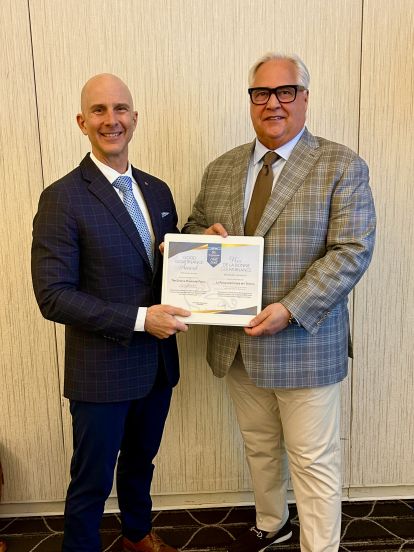
To further promote good administration and recognise the tangible and positive impact that government agencies and public sector bodies can have on the lives of Ontarians, I established the annual Ombudsman’s Awards for Good Governance in 2025. The awards are designed to foster constructive and appropriate relationships with the organizations we oversee by recognizing and rewarding good administration, fair treatment and the adoption of best practices.
In the inaugural year, I was pleased to name three recipients.
The first award went to the Ontario Provincial Police (OPP) for its efforts to enhance French language services, including:
- Making an active offer of French by flying the Franco-Ontarian flag at OPP headquarters and detachments that provide services in French, as well as French-speaking officers wearing a flag pin to indicate ability to provide service in French, and
- Ensuring that Amber Alerts are now issued in French and English simultaneously.
The OPP demonstrated a commitment to respecting the rights of Ontario Francophones and executed that commitment in exemplary fashion.
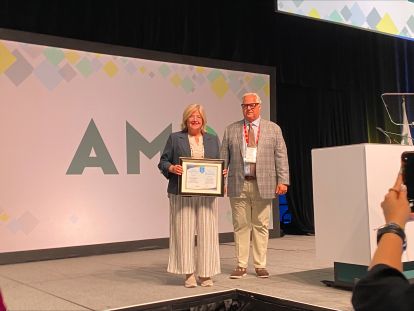
The second Good Governance Award went to the City of Hamilton, for removing a $100 fee to make a complaint to its integrity commissioner.
As I noted in presenting the award on the plenary stage at the Association of Municipalities of Ontario conference, I created the Good Governance Awards in part to acknowledge the collaborative work that many public sector bodies do to adopt the recommendations and best practices we share with them. The City of Hamilton did just that in this case.
We have long opposed such fees as they can constitute a barrier and a financial hardship to residents seeking accountability. In removing its fees for Integrity Commissioner complaints, the City of Hamilton exhibited exemplary governance and aligned with best practices.
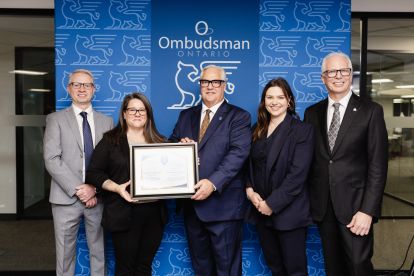
The third recipient of a Good Governance Award was the Ministry of Transportation for its proactive, transparent and decisive work in eliminating a massive backlog in road tests in the wake of the COVID-19 pandemic. After successive COVID shutdowns, there were more than 700,000 drivers waiting for road tests. Many complained to us about how this impacted their lives. Without a road test, they couldn’t get a driver’s licence, couldn’t work, couldn’t support their families, and so on.
Ministry of Transportation staff worked closely with us to resolve these cases and implement strategies to reduce the backlog. Ultimately, hundreds of new driver examiners were hired and new testing locations were opened. Throughout, the Ministry was responsive to our inquiries and shared information that complainants appreciated. This problem required a massive effort to correct, and the Ministry of Transportation tackled it head-on – strategically and with determination.
Part II – The Decade in Numbers 2016-2026
- Total cases received, April 1, 2016-March 31, 2025* 245,874
- Increase in jurisdictional bodies 500 → 1,000+
- Increase in staff 86 → 186
- Number of bargaining units 1 (2019) → 3 (2020) → 2 (2026)
- 267 Reports and letters on investigations of municipal closed meetings (April 1, 2016-December 31, 2025)
- 25 Submissions to government**
- 3 Good Governance Awards
*Case statistics for the 2025-2026 fiscal year (April 1, 2025-March 31, 2026) will be reported in the Ombudsman’s 2025-2026 Annual Report.
Investigation reports released
- 22 reports**
- 620 recommendations
- 51,770 Total cases received in new areas of jurisdiction, September 1, 2015-March 31, 2025
- 28,155 Municipalities (January 1, 2016-March 31, 2025*)
- 2,391 Universities (January 1, 2016-March 31, 2025*)
- 8,399 School Boards (September 1, 2015-March 31, 2025*)
- 10,788 Children and Youth (May 1, 2019-March 31, 2025*)
- 2,037 French Language Services (May 1, 2019-March 31, 2025*)
**More details on these can be found in the appendix. All are available at www.ombudsman.on.ca
Part III – Expanding Mandate, Reach and Impact
The past decade has been a period of unprecedented transformation for Ombudsman Ontario. Few public institutions have experienced such a rapid expansion of mandate and responsibility in so short a time. What began as careful preparation for a significant change in jurisdiction ultimately became a profound reshaping of the Office – its workload, its relationships and its role within Ontario’s system of public accountability.
The expanded mandate, from oversight of roughly 500 public sector bodies to more than 1,000, introduced a far more complex operational environment.
The Office now routinely engages with hundreds of these public sector bodies, including municipalities of every size, all publicly funded school boards, universities and children’s aid societies, as well as ministries and provincial agencies. Each type of organization operates under distinct legislative frameworks and governance models.
This expansion significantly increased the diversity of stakeholders with whom we interact – elected officials, union representatives, professional associations, advocacy groups and community organizations – often with competing interests and expectations. The Office had to develop new expertise rapidly while preserving its independence, neutrality and credibility across all sectors.
With expanded jurisdiction has come an unprecedented surge in demand.
In 2024-2025, the Office handled 30,675 cases, a 44% increase over 2016-2017, the first year of my tenure. More important than volume alone has been the growing complexity of complaints. Many cases now involve multiple organizations, overlapping mandates, and systemic issues that require sustained investigation rather than rapid resolution.

The use of artificial intelligence in the drafting and submission of complaints has added another level of complexity and time consumption to our high case volumes.
Preparing for MUS Sector Cases: 2014-2016
The Office began preparing for the expansion of jurisdiction to municipalities, universities and school boards (the “MUS” sector) in 2014, once the relevant legislation was passed. Extensive planning ensured the Office was ready for what was seen as the single largest expansion of Ombudsman oversight in Ontario’s history. The new mandate took effect for school boards across the province on September 1, 2015, and for municipalities and publicly funded universities on January 1, 2016.
The Office’s preparation included provincewide outreach to municipal associations, school board organizations and post-secondary institutions, as well as the development of new investigative frameworks and training programs. Internal changes included restructured teams, an enhanced case management system, and expanded early resolution capacity in anticipation of a significant increase in complaints.
Within the first year alone, the Office received thousands of complaints from the newly covered sectors, accounting for a substantial share of overall intake.
A Decade of Municipal Oversight: Building Trust and Better Governance
The year 2026 marks 10 years since Ombudsman jurisdiction was extended to municipalities. That expansion of our mandate represented a significant evolution in public sector accountability in Ontario. For the first time, residents of every city, town and township were given access to the same independent, impartial oversight that had long existed for provincial services.
Over the past decade, that change has delivered real and lasting benefits – for residents seeking fair treatment, and for municipalities committed to openness, transparency and good governance.
Establishing relationships and understanding local realities
When our municipal oversight began in 2016, our first priority was to build constructive relationships with local governments across the province.
Municipalities are diverse in size, structure and resources, and effective oversight depends on understanding those differences.
Through outreach, training sessions, regular communication and thousands of individual case interactions, our Office has developed strong working relationships with councils and municipal staff. These relationships have allowed us to resolve issues efficiently and collaboratively, usually without the need for formal investigations.
In fact, over the past 10 years, we have handled more than 30,000 complaints and inquiries about municipalities, all across the province. Only six have resulted in an investigation.
Today, the Ombudsman is recognized in the municipal sphere not as an adversary, but as a neutral partner whose role is to support fair processes and sound administration.
Delivering fairness for residents
For residents, the extension of Ombudsman jurisdiction created a clear, accessible avenue to raise concerns about municipal services and decisions. In 10 years, we have helped thousands of Ontarians navigate issues involving bylaw enforcement, council decisions, procurement, service delivery, and the conduct of local public meetings.
In many cases, our involvement has led to simple but meaningful outcomes: Clearer explanations, better communication, or practical solutions to individual problems. Where systemic issues were identified, our recommendations have helped municipalities improve policies and practices in ways that benefit entire communities.
The presence of independent oversight has strengthened public confidence that municipal administration will be reviewed fairly and objectively when concerns arise.
Strengthening transparency and open government
One of the most visible aspects of our municipal mandate has been through our oversight of the open meeting rules, which began in 2008. Our Office has handled hundreds of complaints about closed council meetings and provided clear, practical guidance on how to comply with the law.
Beyond investigations, we have invested heavily in prevention – developing resources such as our searchable Open Meetings Case Digest online, guides for councils and integrity commissioners, and practical tip cards on topics ranging from by-law enforcement to procedural fairness. These tools have helped municipalities avoid problems before they occur and align their practices with legal requirements and public expectations.
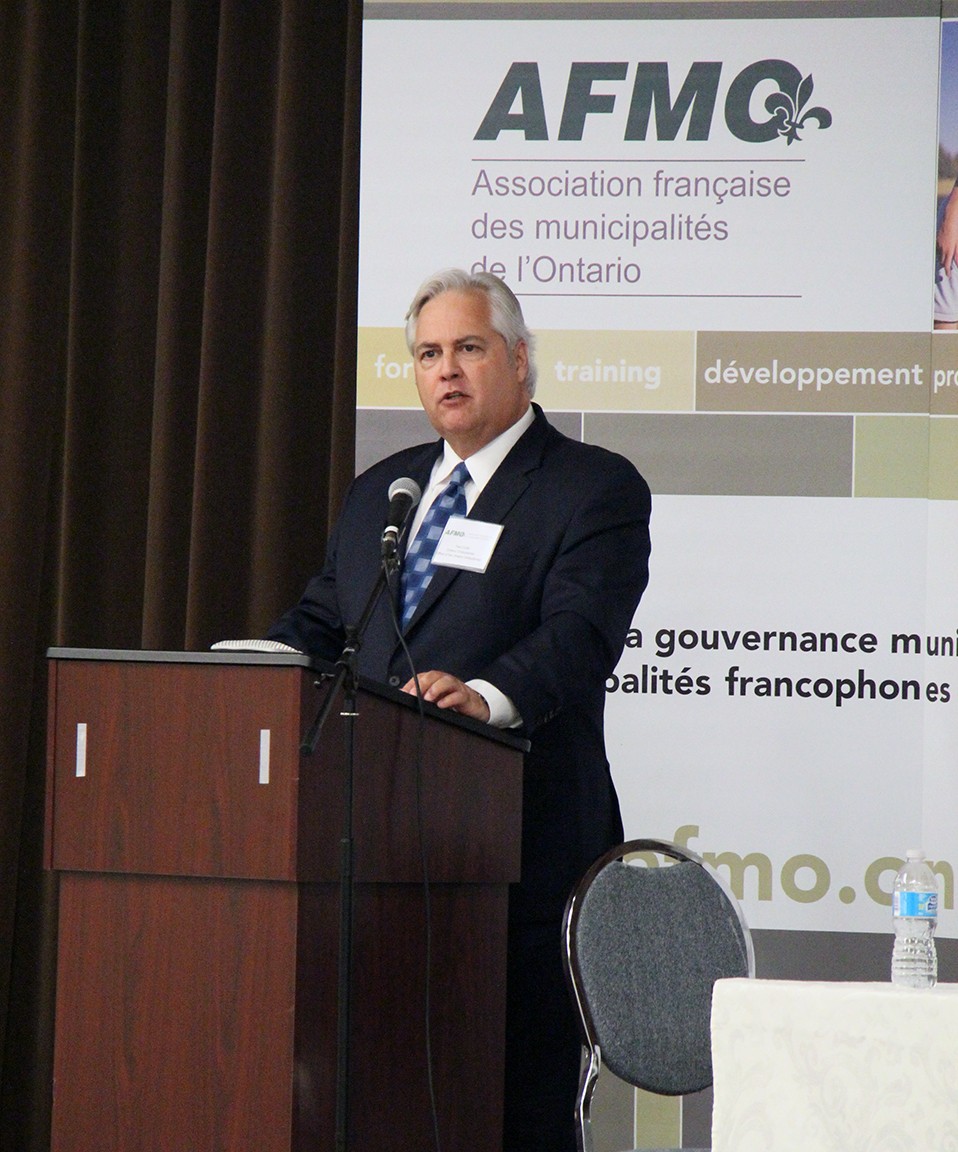
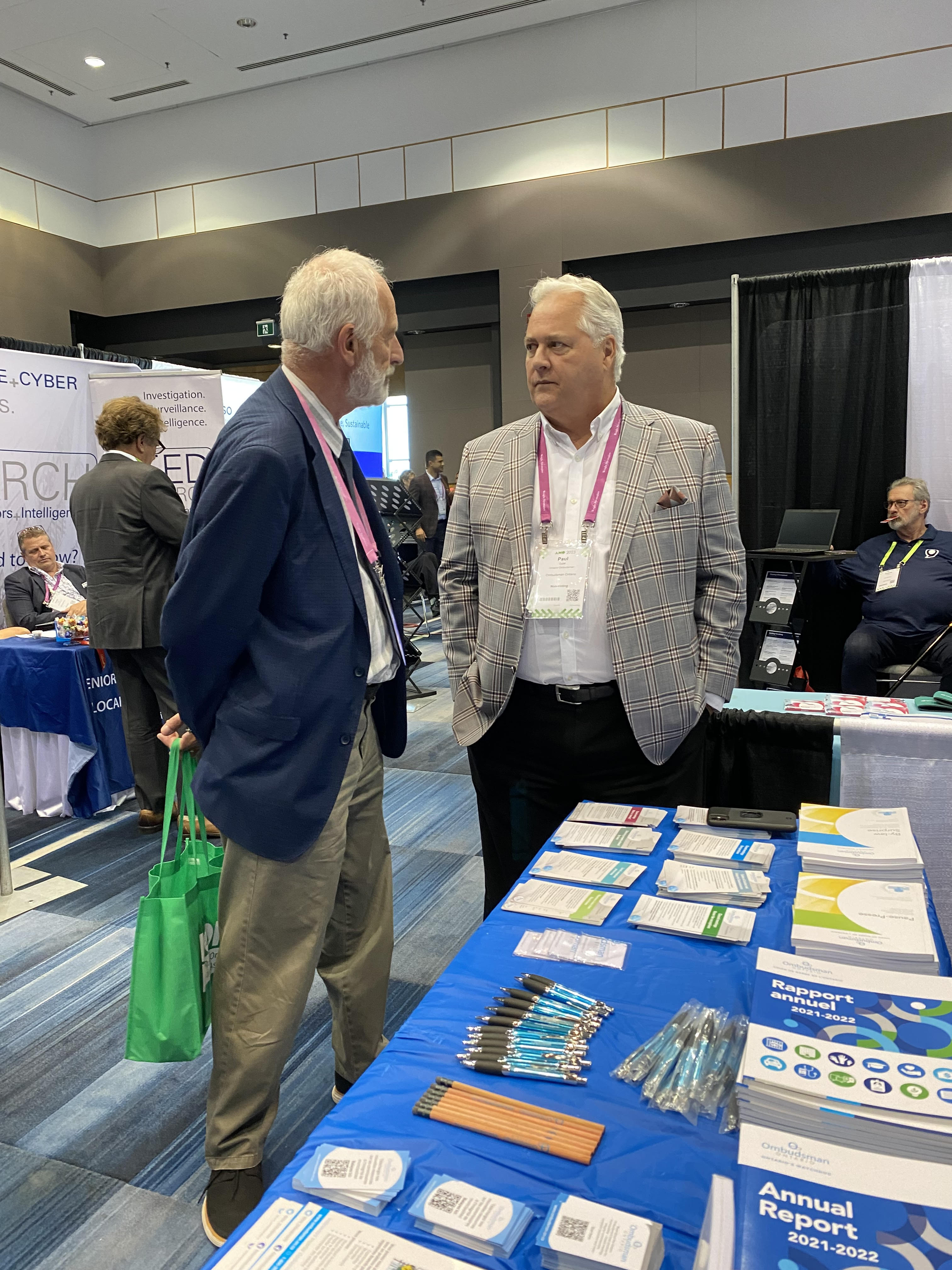
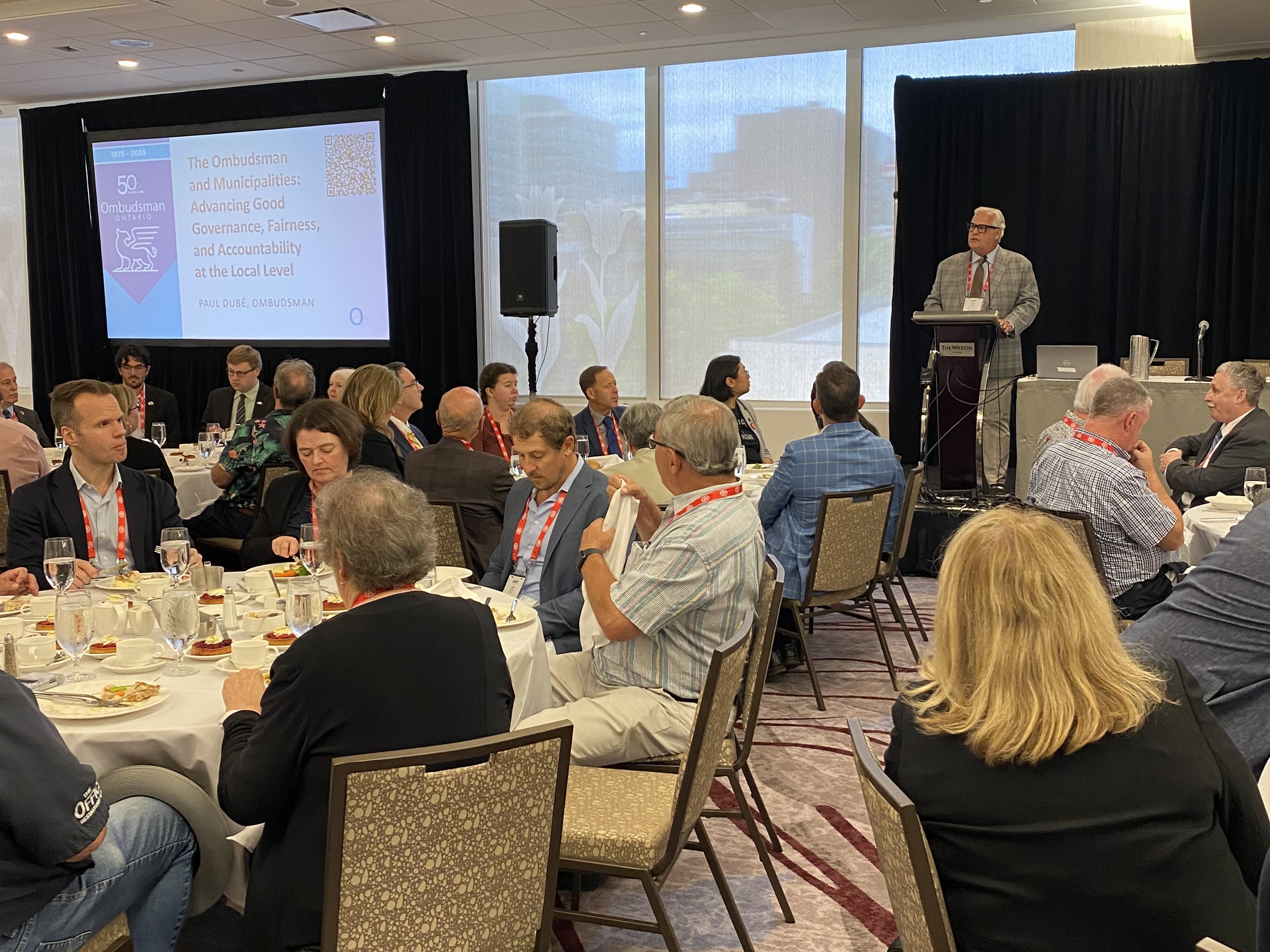
As a result, meetings across Ontario are more transparent, procedures are clearer, and residents have greater confidence that local decisions are being made in the open.
Objective oversight that benefits municipalities
An important but sometimes overlooked benefit of Ombudsman oversight is the objectivity it brings to contentious local issues. Each year, we receive thousands of municipal complaints, yet very few require formal investigation. Most are resolved quickly, and many are found to be based on misunderstandings.
When our Office concludes that a complaint lacks merit, that independent determination can be invaluable to municipalities. It provides objective validation that their processes were fair and appropriate, reinforcing public trust in local government decisions.
In this way, the Ombudsman’s role has not only addressed problems – it has also affirmed good practices and supported the credibility of municipal institutions.
Driving continuous improvement
Over the past decade, Ombudsman oversight has helped foster a culture of continuous improvement in municipal administration. Through casework, reports and ongoing dialogue, our Office has supported practical changes that enhance fairness, clarity and accountability. These improvements are often incremental – better record-keeping, clearer policies, more consistent procedures – but together they have strengthened local governance across Ontario.
Today, Ombudsman oversight is an established part of the municipal landscape. Residents have a trusted, impartial place to turn when concerns arise, while municipalities benefit from guidance, problem solving and objective validation of their work.
The experience of the past decade has shown that independent oversight, grounded in collaboration and mutual respect, is not a burden on municipalities – it is a resource that helps them serve their communities better.
Unexpected Expansion to French Language Services, Children and Youth: 2018-2019
In contrast to the carefully planned mandate expansion of 2014-2016, the transfer of additional responsibilities to our Office, announced in late 2018, was sudden and disruptive.
The government’s decision to abolish the offices of the French Language Services Commissioner and the Provincial Advocate for Children and Youth and amalgamate their functions into the Office of the Ombudsman fundamentally altered our organization overnight. Despite the lack of consultation or advance notice, we responded with professionalism and vigour to these entirely new statutory mandates.
The amalgamation brought dozens of additional staff, new legislative obligations, a new union, new contractual obligations, and a dramatically expanded stakeholder community. Despite these challenges – and a transition period of less than six months – our Office continued to handle tens of thousands of cases and maintained service levels to the public while integrating new teams, systems and cultures.
Improving French Language Services
When responsibility for ensuring compliance with the French Language Services Act was transferred to our Office, effective May 1, 2019, many in Ontario’s Francophone community were understandably concerned. The change represented the end of a stand-alone Office of the French Language Services Commissioner and the beginning of a new model within the Ombudsman institution. Many criticized the move and characterized it as a loss, without truly understanding how the Commissioner functioned before or how the role would operate within the Ombudsman’s Office.
At that time, I made clear and unequivocal commitments to Ontario’s Francophone community:
- I committed that the Commissioner and our dedicated French Language Services Unit would be properly resourced, fully supported and structurally empowered to carry out meaningful, high-impact work.
- I assured the community that the Commissioner would maintain a strong public profile – proactive, visible, accessible and actively engaged across Ontario’s Francophone communities.
- I committed to building a skilled, dedicated and passionate French Language Services Unit capable of supporting the Commissioner with expertise and professionalism.
- I confirmed that the Commissioner would continue to table separate Annual Reports, preserving institutional visibility.
- I guaranteed that the Commissioner would have full access to the breadth of resources and expertise within the Ombudsman’s Office – legal counsel, communications, investigations, human resources, finance, information technology, and other corporate supports within the Office.
- I committed that, in contrast to the former Commissioner’s Office, we would accept complaints and speak directly with Francophones and government agencies to resolve them, using the evidence gathered in complaint handling to identify and address systemic issues.
- I committed that complaints concerning French language services would be handled rigorously and effectively, with a clear focus on safeguarding and advancing rights under the French Language Services Act.
- I stated that we would undertake systemic investigations, publish special reports and issue evidence-based recommendations designed to strengthen compliance with the Act and improve service delivery across government.
- I affirmed that the Commissioner and the French Language Services Unit would cultivate strong, productive and appropriate relationships with stakeholders, institutions and community leaders – relationships capable of generating measurable and lasting impact.
- Above all, I committed that the integrated model would strengthen – never dilute – the promotion and protection of French language rights in Ontario.
Those commitments have been kept.
It has been essential, from the outset, to affirm that the French Language Services Commissioner remains fully independent within the Ombudsman’s Office. Like the Ombudsman, the Commissioner exercises statutory functions as part of an independent Office of the Legislature. This independence is fundamental – not only from government, but also from interest groups and external pressures of any kind. The credibility and impact of the role depend on the ability to assess issues objectively, to follow the evidence wherever it leads, and to act solely in the public interest.
Under the leadership of Commissioner Carl Bouchard, the French Language Services Unit is a dynamic and highly effective voice. Commissioner Bouchard has been tireless in promoting the importance of French language services across the province – travelling extensively, meeting with Francophone communities and organizations, engaging directly with public sector leaders, and ensuring that the concerns of Ontarians who want or need services in French are heard and addressed.
His accessibility and visibility have reinforced confidence that French language rights continue to have a strong and independent champion. At the same time, the integration of the Commissioner within the Ombudsman structure has created new opportunities to raise rights awareness and resolve issues quickly and pragmatically, using the full range of the Office’s communications, early resolution and investigative tools.
Since 2019, the French Language Services Unit has handled thousands of complaints and inquiries, conducted systemic investigations, effectively intervened on emerging issues, and published Annual Reports containing practical recommendations that have led to concrete improvements in health care, education, justice services and government communications. Ministries, agencies and broader public sector organizations have responded with meaningful changes to policies, procedures and service delivery.
These results are not theoretical – they are visible in everyday services to Ontarians.
For example, the Unit’s work helped secure the availability of Amber Alerts in French, ensuring that urgent public safety messages reach Francophone communities without delay. Our interventions with the Office of the Fire Marshal led to translation of the Ontario Fire Code and related materials. During the COVID-19 pandemic, we pressed for clearer and more consistent bilingual public health messaging and simultaneous interpretation at government press conferences, helping Francophones receive critical information in real time. The Unit has also advanced stronger government-wide planning for delivery of services in French, promoted a more consistent “active offer” of service in French by the Ontario Provincial Police, and improved compliance with requirements for government advertising and public communications in French.
The result has been tangible and measurable progress. Ontarians are receiving clearer information in French, better access to services in their language, and more consistent respect for the obligations set out in the French Language Services Act. Issues that once lingered unresolved are now addressed more quickly and more effectively.
These and many other initiatives demonstrate how focused oversight and constructive engagement can translate directly into better, more equitable services for Ontario’s Francophone population.
The transition of this mandate was extremely challenging. But thanks to strong leadership, a dedicated team and sustained engagement – combined with the essential safeguard of the Ombudsman’s institutional independence – the Commissioner and the French Language Services Unit are delivering results that benefit Ontario Francophones like never before.
I am proud that our Office has honoured its promises and demonstrated that French language rights can be vigorously protected within a strong, independent Ombudsman institution.
Protecting the Rights of Children and Youth
The transfer of the investigative functions of the former Provincial Advocate for Children and Youth to the Ombudsman’s Office also took effect on May 1, 2019. With that change came a clear responsibility: To ensure that the voices, rights and interests of young people would continue to be heard, respected and protected within a strong and independent oversight institution.
From the outset, we made it clear that our commitment extended beyond youth in care. While children and young people involved with child protection, youth justice and residential care systems remain a core focus, our mandate encompasses the rights of all young people in Ontario – including those in schools, receiving mental health services, and engaging with any public systems that affect their lives. In keeping with Article 20 of the United Nations Convention on the Rights of the Child, our services to young people are founded upon a recognition that they may require special assistance in bringing their concerns forward. We have therefore created child-friendly processes to facilitate their interactions with us.
This was not simply a structural transition; it was a reaffirmation of principle. Young people, particularly those who are vulnerable or marginalized, must have access to independent oversight when government decisions affect their safety, well-being, education and future opportunities.
Building capacity and presence
Integrating this new responsibility required significant effort. Specialized staff from the former Advocate’s office joined our dedicated Children and Youth Unit, bringing invaluable expertise in child and youth rights. We established dedicated intake and investigative capacity, adapted our processes to be more accessible to young people, and strengthened partnerships with service providers and community organizations.
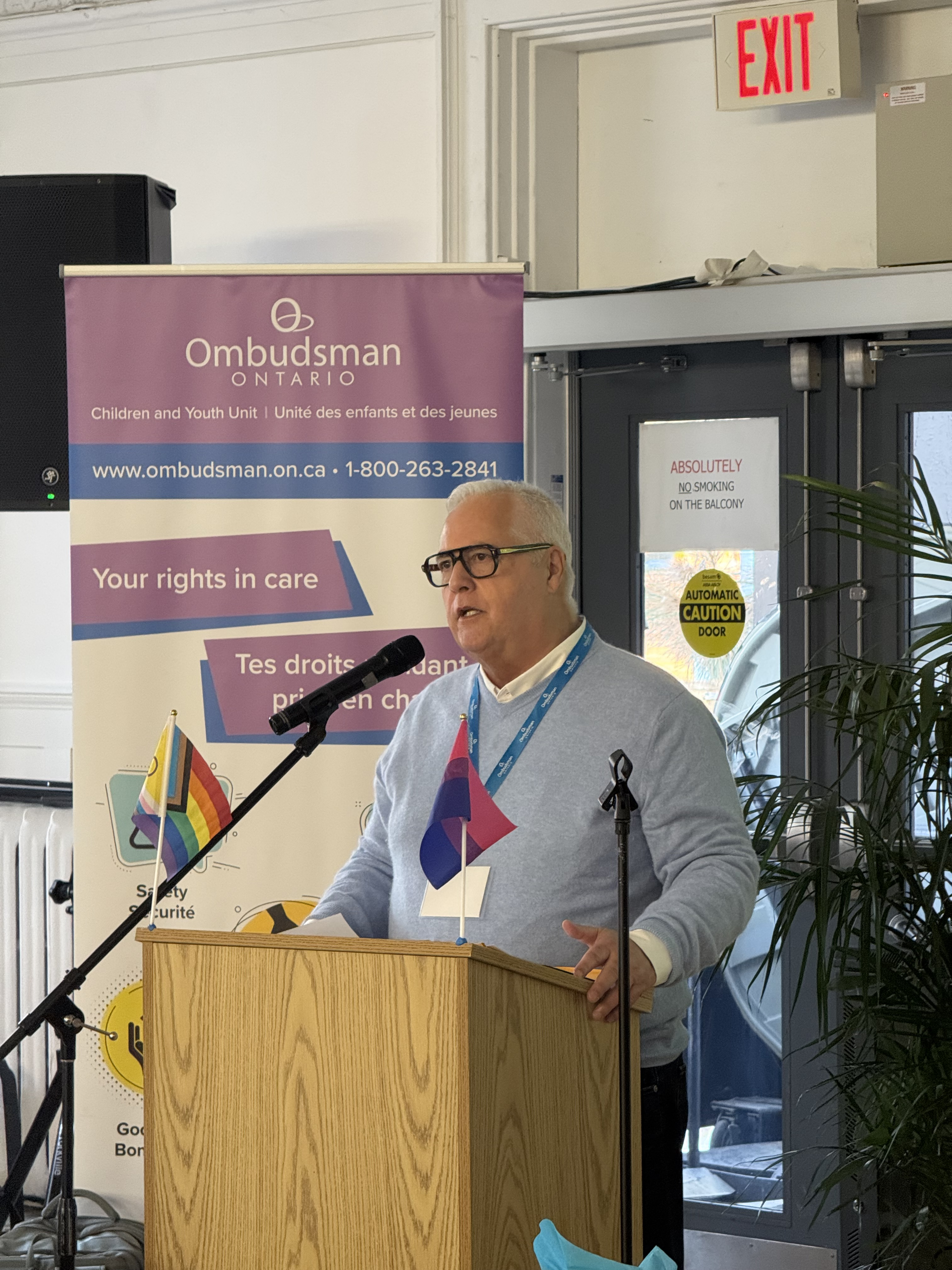
A critical part of this work has been direct engagement with youth themselves. We have created four specialized teams to conduct outreach to young people and families: The Indigenous Circle; the Black Children, Youth and Family Roundtable; the 2SLGBTQIA+ Outreach Team; and the Provincial and Demonstration Schools Team.
Staff from the Children and Youth Unit regularly visit youth detention and custody facilities, group homes, demonstration schools and community programs to meet with young people, hear their concerns, and ensure they understand their rights and how to seek help. These visits – often to remote or challenging environments – are essential to maintaining a real-world understanding of the conditions and experiences of the children and youth we serve.
In November 2025, the Children and Youth Unit organized a Youth Rights Conference that brought together more than 60 2SLGBTQIA+ youth in a safe and welcoming environment to inform them about their rights and how our Office can help protect them, as well as introduce them to agencies and resources that can also provide them with important services.
Since 2019, we have handled thousands of individual complaints involving child protection services, youth justice and a wide range of other youth-related programs. In many cases, timely intervention has resolved urgent issues affecting placement decisions, access to services, education supports and health care.
Impactful investigations
Beyond individual cases, the Children and Youth Unit has carried out significant investigations that have exposed systemic failures and helped drive meaningful reform. Through these investigations (four published reports to date) and related submissions to government, our Office has addressed issues such as:
- Failures in coordination between child welfare, health and education systems
- Access to Voluntary Youth Services Agreements for 16- and 17-year-olds in need of protection
- Inadequate protections for children who go missing from care
- The treatment and conditions of youth in custody and detention
- Recommendations to improve child protection investigations and service delivery
- Gaps in services for children with complex needs
- The importance of listening to and respecting the voices of young people
These reports demonstrate the unique value of independent oversight. They give voice to young people whose experiences might otherwise remain invisible, and they provide practical, evidence-based recommendations that lead to real improvements in policy and practice.
A broader vision of youth rights
Taking on this mandate has reinforced an important truth: The well-being of young people is greatly affected by the public sector. Schools, health services, social services, policing, youth justice and municipal programs can all affect their daily lives. Independent oversight must be just as comprehensive.
By bringing child and youth oversight into the Ombudsman’s Office, Ontario gained a single, powerful institution able to examine issues holistically and follow them wherever they lead. Whether a problem arises in a classroom, a group home, a detention centre or a government office, young people now have a clear and accessible place to turn.
Our work in this area reflects a simple but vital commitment: Children and youth deserve the same fairness, respect and accountability from public services as any other Ontarian – and often they need it even more. I am proud that, since 2019, this Office has honoured that responsibility with determination, compassion and independence.
A Larger, Stronger Ombudsman Institution
The expansion of this Office’s mandate over the past 10 years has tested every aspect of the organization. Yet it has also extended Ombudsman services to more Ontarians across more of the public sector than at any time in our 50-year history.
Today, complaints related to municipalities, universities, school boards, child protective services and French language services consistently represent more than one-third of the cases we handle, underscoring the scale and permanence of this expansion.
Through careful preparation, resilience in the face of disruption, and a steadfast commitment to fairness and independence, Ombudsman Ontario has emerged stronger, more relevant and better positioned to meet the challenges of modern public administration.
Part IV – Leadership in Canada and Abroad
The Canadian Ombudsman community is vibrant and exemplary in its pursuit of excellence for public services across Canada. I have benefited tremendously from my participation in the Forum of Canadian Ombudsman and the Canadian Council of Parliamentary Ombudsman, and am immensely grateful for the support and camaraderie I have enjoyed with my wonderful colleagues and friends.
The fundamental principles of independence and impartiality upon which the Ombudsman institution is built are recognized not only in Canadian law and practice, but internationally.
In 2019, the Council of Europe’s Commission for Democracy through Law adopted the Venice Principles on the Protection and Promotion of the Ombudsman Institution, establishing globally recognized standards for the independence, mandate, accessibility and proper functioning of Ombudsman offices. Shortly thereafter, the United Nations General Assembly adopted a landmark resolution affirming the essential role of Ombudsman institutions in the protection of human rights, the promotion of good governance, and the strengthening of the rule of law.
Together, the Venice Principles and the UN Resolution provide critical international safeguards at a time when democratic institutions in many parts of the world are under increasing strain. They affirm that strong, independent Ombudsman institutions are not optional features of governance – they are foundational pillars of resilient democratic systems.
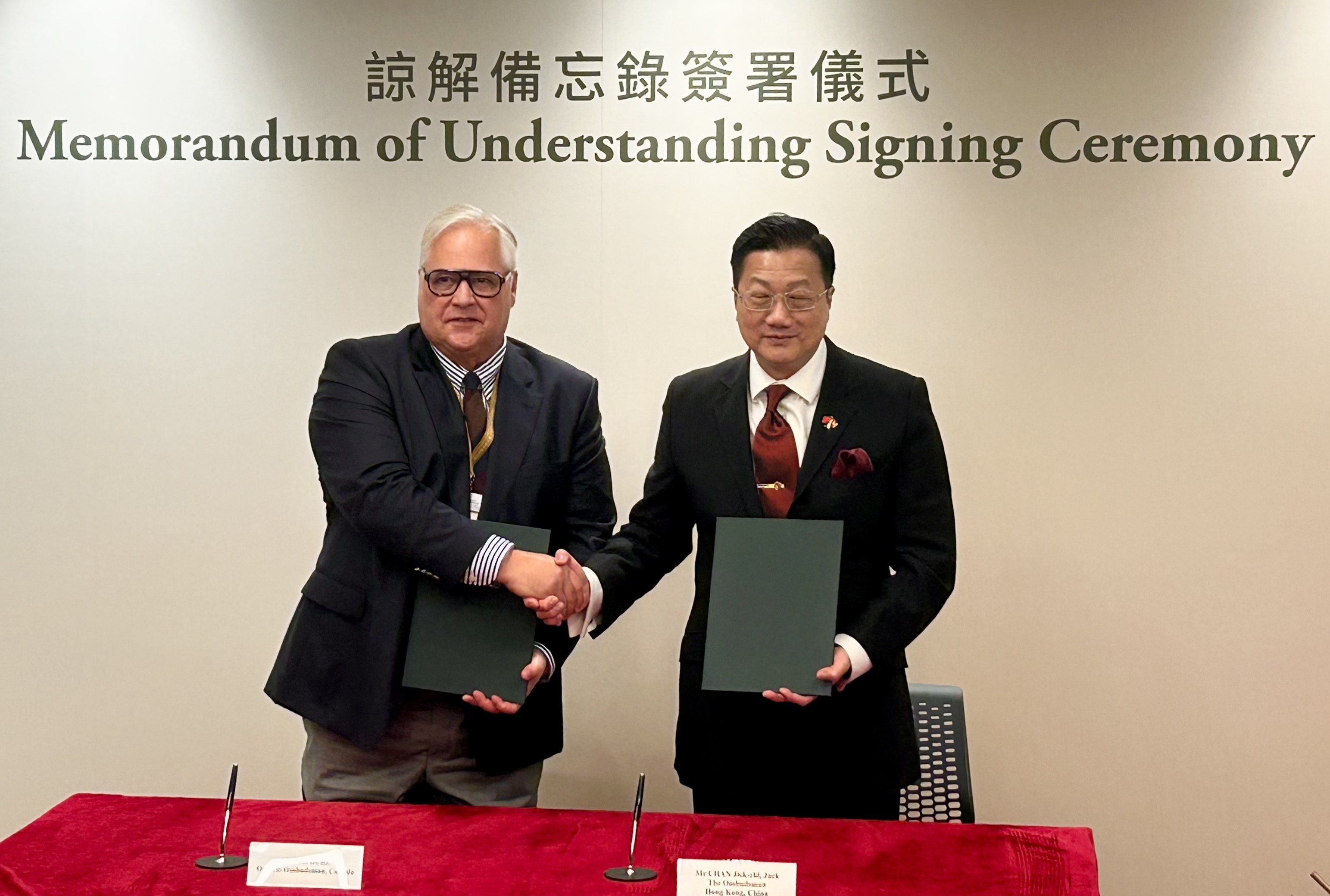
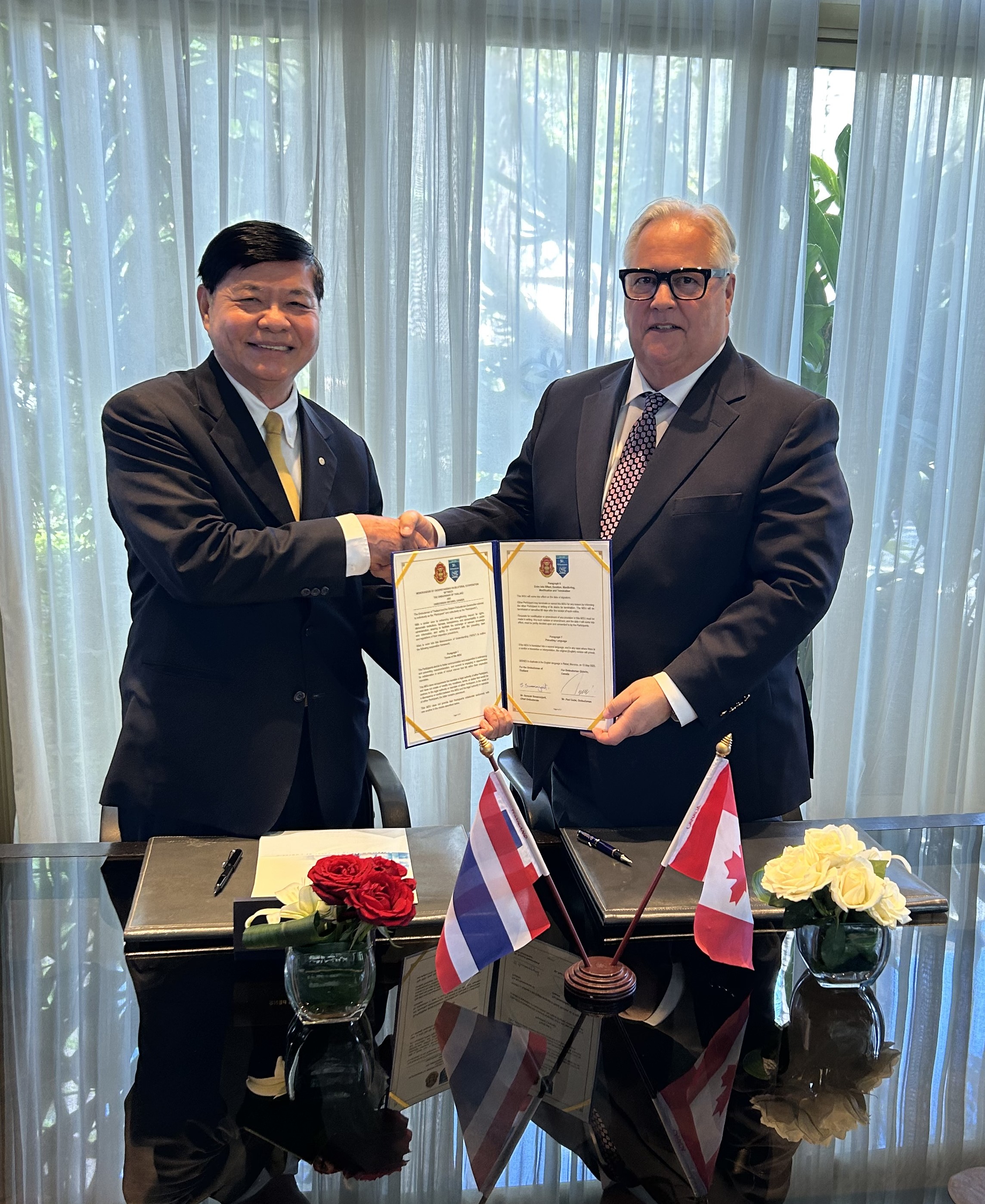
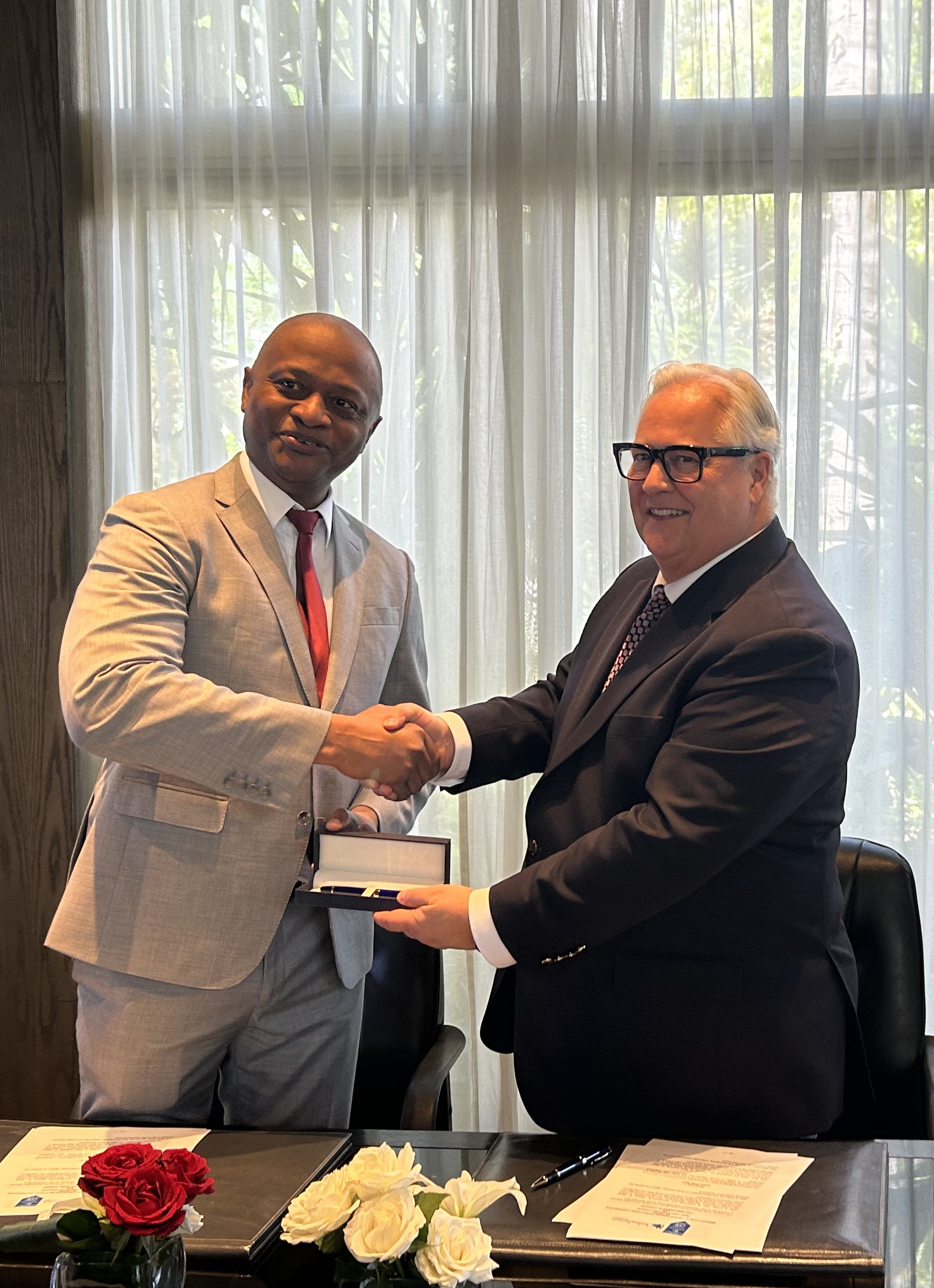
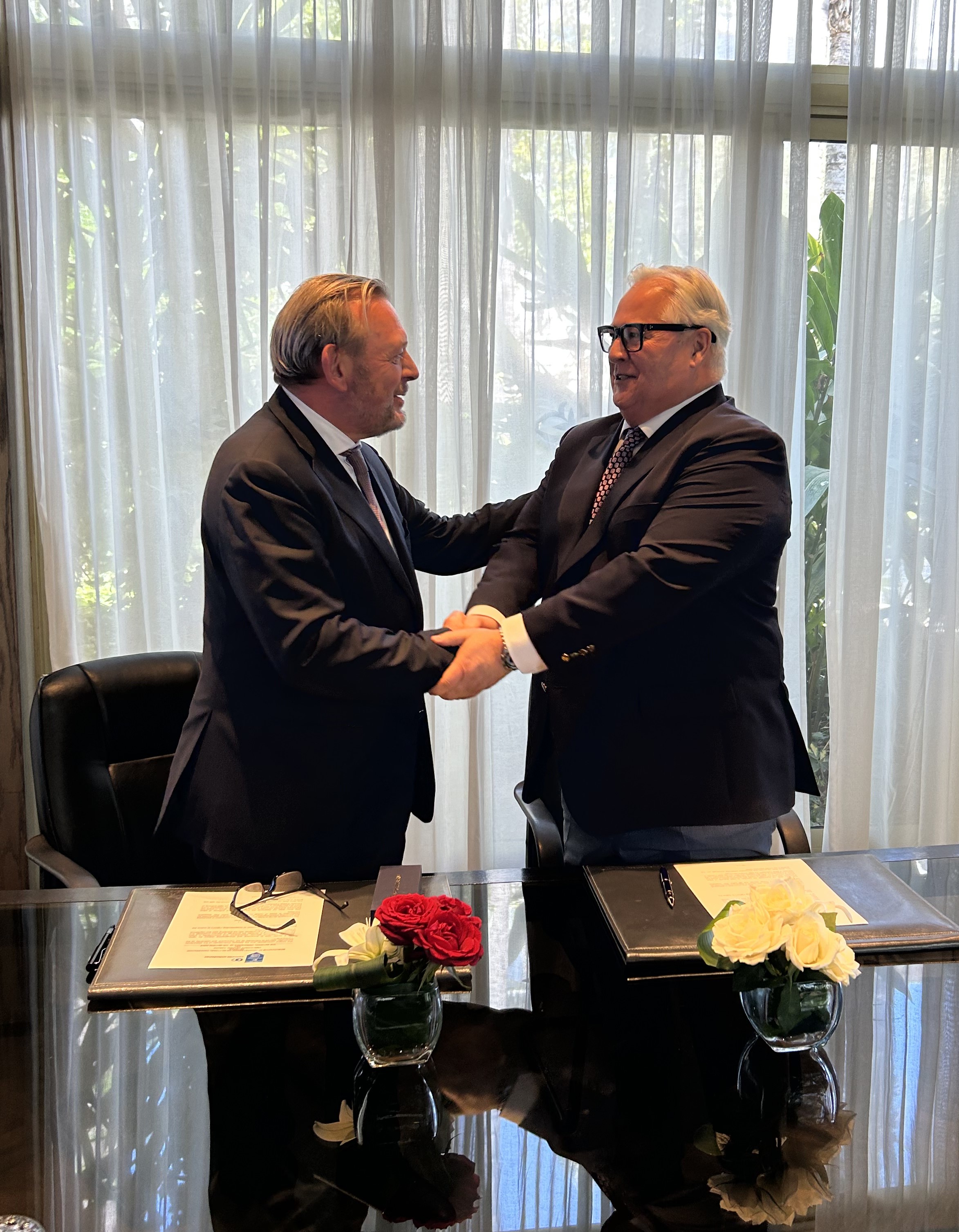
Throughout my mandate, I had the privilege of serving within the International Ombudsman Institute (IOI) as a member of the World Board of Directors and as President of the North American Region. The IOI, established in Canada in 1978, is the only global organization for the cooperation of more than 200 independent Ombudsman institutions from more than 100 countries worldwide. One of the defining highlights of my tenure was participating in the IOI’s United Nations and International Relations Working Group, where we developed and implemented engagement strategies with the United Nations and other multilateral bodies.
In these roles, I worked alongside distinguished colleagues from across jurisdictions to advance recognition of the Ombudsman institution as an essential democratic safeguard, to promote adherence to the Venice Principles, and to strengthen global understanding of the value of independent, impartial oversight.
One of the most challenging issues the IOI World Board faced during my tenure followed the discovery that the High Commissioner for Human Rights in the Russian Federation was publishing enthusiastic support for Russia’s invasion of Ukraine. These actions were in clear violation of IOI bylaws that require members to be impartial and comply with generally accepted professional ethics governing the institution of Ombudsman. With the help of then British Columbia Ombudsperson Jay Chalke and his team who brought this matter to light, we were able to ensure a fair process and contribute to an appropriate resolution – the revocation of the Russian commissioner’s membership – by the IOI World Board.
International collaboration among Ombudsman institutions is a longstanding and well-developed practice grounded in the exchange of best practices, the harmonization of professional standards and the collective defence of institutional independence. This cooperation operates at multiple levels, from global networks to regional associations and specialized working groups. I have been extremely proud to contribute personally to these national and international efforts.
These international experiences have reinforced a lesson we see every day at home: When Ombudsman offices are protected, empowered and respected, democracy itself is strengthened.
Looking ahead, I am particularly encouraged by the continued development of structured principles and practices for an international peer review process among Ombudsman offices. A rigorous and credible peer review framework – grounded in internationally recognized standards – will provide institutions with a practical mechanism to assess alignment with the Venice Principles and related benchmarks. Such a process will not only foster continuous institutional improvement, but also enhance transparency, accountability and public confidence. Most importantly, it will help safeguard the sustainability and integrity of Ombudsman institutions worldwide.
Part V – Conclusion
As I complete my term as Ontario’s Ombudsman, I do so with a profound sense of gratitude – for the opportunity I have been given, for the people I have worked alongside, and for the trust that Ontarians have placed in this Office.
Serving as Ombudsman has been the greatest professional privilege of my career. For 10 years, I have had the honour of acting on behalf of millions of Ontarians, listening to their concerns and working to ensure that their government treats them with fairness and respect. Every day, this Office hears from people at moments of frustration, confusion or vulnerability. To be entrusted with those stories, and to have the ability to make a difference in people’s lives, is both humbling and deeply meaningful.
None of what has been achieved during my tenure has been the result of one person’s efforts. It has been a collective endeavour carried out by an extraordinary team of public servants. I have had the privilege of leading an organization filled with talented, dedicated and passionate professionals who come to work each day determined to help others, promote access to justice, and improve public administration.
From my exceptional Executive Management Team to every early resolution officer, investigator, communications specialist, people and culture expert, finance and information technology professional, legal counsel, and administrative team member, I have been continually inspired by the commitment and integrity of the people of this organization. I thank them profoundly for their professionalism, empathy and expertise, which are the true source of our successes.
Serving as Ombudsman has been the greatest professional privilege of my career. For 10 years, I have had the honour of acting on behalf of millions of Ontarians, listening to their concerns, and working to ensure that their government treats them with fairness and respect.
– Paul Dubé, Ontario Ombudsman
I have been privileged to serve during the tenure of three principled and exemplary Speakers of the Legislative Assembly – Dave Levac, Ted Arnott and Donna Skelly – each of whom demonstrated a deep respect for the independence of this Office and for the vital role of legislative oversight.
I have also been fortunate to work with many outstanding leaders across Ontario’s public sector. Effective oversight depends on constructive and appropriate relationships with those responsible for delivering public services. Over the past decade, I have benefited from the openness and cooperation of countless deputy ministers, senior officials, municipal leaders and agency heads who understood that our shared goal was better government. While I cannot name them all,
I want to acknowledge how essential their collaboration has been to the progress described throughout this report.
There is, however, one individual I must single out for special thanks.
Deputy Ombudsman Barbara Finlay has been my closest partner throughout this journey. Her wisdom, judgment and steady hand have been indispensable to everything we have accomplished. Barb’s deep knowledge of this Office and the public sector, her unshakeable integrity and her calm, thoughtful leadership have guided us through periods of change, growth and challenge. Without her good counsel and her exceptional stewardship of our day-to-day operations, I could not have planned or realized my vision for this institution. Ontarians are extraordinarily fortunate to have her in their service, and I am personally grateful beyond words for her loyalty and friendship.
An Ombudsman’s work is never truly finished. There will always be new people to inform, new issues to confront, new systems to improve, and new voices that need to be heard. But I leave knowing that Ombudsman Ontario is stronger, more capable and more impactful than it was a decade ago. Most importantly, it remains firmly anchored to the principle that every person deserves to be treated fairly by their government.
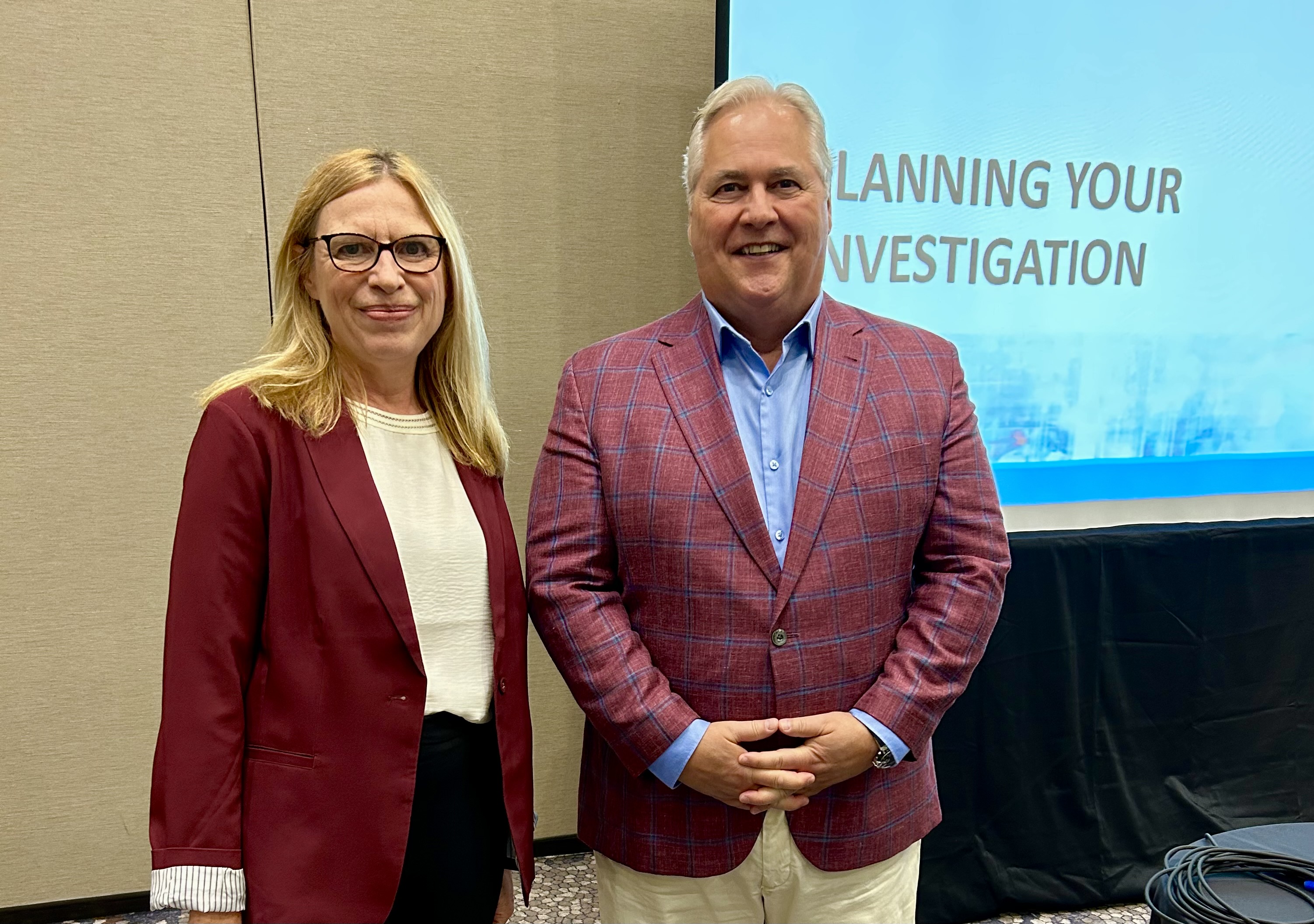
Finally, to the people of Ontario, thank you for the privilege of serving as your Ombudsman. It has been the honour of a lifetime.
To Ontario’s 8th Ombudsman, I say godspeed and good luck.
Paul Dubé
Over the past decade, I have benefited from the openness and cooperation of countless deputy ministers, senior officials, municipal leaders and agency heads who understood that our shared goal was better government. While I cannot name them all, I want to acknowledge how essential their collaboration has been to the progress described throughout this report.
– Paul Dubé, Ontario Ombudsman
Part VI – Appendix: Reports and Submissions, 2016-2026
Investigation reports published since April 2016
- A Matter of Life and Death – June 16, 2016
Investigation into the direction provided to Ontario’s police services for de-escalation of conflict situations - Nowhere to Turn – August 24, 2016
Investigation into the Ministry of Community and Social Services’ response to situations of crisis involving adults with developmental disabilities - Procuring Progress – March 6, 2017
Municipalities: Investigation into the City of Brampton’s procurement practices - Out of Oversight, Out of Mind – April 20, 2017
Investigation into how the Ministry of Community Safety and Correctional Services tracks the admission and placement of segregated inmates - Counter Encounter – May 31, 2017
Municipalities: Investigation into the Township of Red Rock’s handling of a trespass issue - The Route of the Problem – August 10, 2017
School boards: Investigation into the Toronto District and Toronto Catholic District school boards’ response to busing delays and disruptions - Public Notice – August 21, 2017
Municipalities: Investigation into a complaint about the meeting practices of the Elliot Lake Residential Development Commission - By-law Surprise – April 11, 2018
Municipalities: Investigation into by-law enforcement and billing practices in the Township of St. Clair and the County of Lambton - Press Pause – July 18, 2018
Municipalities: Investigation into a meeting of council for the Regional Municipality of Niagara at which a journalist’s property was seized - Suspended State – September 27, 2018
Investigation into the adequacy and effectiveness of the Ministry of Transportation’s communications with drivers about licence suspensions - Lessons Not Learned – July 17, 2019
School boards: Investigation into the transparency of Near North District School Board’s decision to close Widdifield Secondary School - Inside Job – November 29, 2019
Municipalities: Investigation into matters relating to the Regional Municipality of Niagara’s hiring of its Chief Administrative Officer - Oversight 911 – May 20, 2021
Investigation into how the Ministry of Health oversees patient complaints and incident reports about ambulance services - Strengthening the Designation: A Collaborative Effort – March 2022
French language services: Investigation into Laurentian University’s cuts to French-language programming during restructuring - Lost Opportunities – April 26, 2022
Children and youth: Investigation into the decision to close custody and detention programs at Creighton Youth Centre and J.J. Kelso Youth Centre - A Voice Unheard: Brandon’s Story – December 19, 2022
Children and youth: Investigation into the Children’s Aid Society of Toronto’s response to child protection concerns involving “Brandon” - Missing in Inaction: Misty’s Story – April 13, 2023
Children and youth: Investigation into the adequacy of measures undertaken agencies to ensure the safety of “Misty” - Administrative Justice Delayed, Fairness Denied – May 4, 2023
Investigation into delays and case backlogs at the Landlord and Tenant Board - Lessons for the Long Term – September 7, 2023
Investigation into the Ministry of Long-Term Care’s oversight of long-term care homes through inspection and enforcement during the COVID-19 pandemic - Rights Unrecognized: Mia’s Story – April 29, 2024
Children and youth: Investigation into the adequacy of services provided by York Region Children’s Aid Society to “Mia” - Missed Messages – July 12, 2024
French language services: Investigation into unilingual out-of-home government advertising regarding health services between April 1, 2020 and March 31, 2023 - Lost in Transition – November 25, 2025
Investigation into the inappropriate hospitalization of adults with developmental disabilities
Submissions to government since April 2016
- Segregation: Not an Isolated Problem: Submission in response to the Ministry of Community Safety and Correctional Services’ consultation on its review of policies related to segregation of inmates – April 27, 2016
- Oversight Unchanged: Submission to the Independent Police Oversight Review – October 27, 2016
- Submission on Bill 68, Modernizing Ontario’s Municipal Legislation Act, 2017 – April 11, 2017
- Oversight Enhanced: Submission to the Standing Committee on Justice Policy regarding Bill 175, Safer Ontario Act, 2017 – February 22, 2018
- Transforming the Conditions of Confinement: Submission to the Standing Committee on Justice Policy regarding Bill 6, Correctional Services Transformation Act, 2018 – April 19, 2018
- Submission to the Standing Committee on Finance and Economic Affairs regarding Bill 57, Restoring Trust, Transparency and Accountability Act, 2018 – December 3, 2018
- Ensuring Truly Independent Segregation Reviews: Submission in response to the Ministry of the Solicitor General’s consultation on proposed changes to Regulation 778, regarding segregation reviews – September 23, 2019
- Submission in response to the Ministry’s consultation on proposed changes to Regulation 778 – May 14, 2021
- Submission to the Ministry of Municipal Affairs and Housing’s consultation on strengthening accountability for municipal council members – July 2021
- Submission to the Ministry of Education’s consultation regarding school board governance – October 2021
- Submission to the Ministry of the Solicitor General’s consultation regarding equipment and use of force by police services – October 2022
- Submission regarding proposed regulations for special constables – February 2023
- Submission to the Standing Committee on Social Policy regarding Bill 98, Better Schools and Student Outcomes Act, 2023 – May 2023
- Submission to the Ministry of Children, Community and Social Services regarding the five-year review of the Child, Youth and Family Services Act, 2017 – July 2023
- Submission to the Ministry of the Solicitor General’s consultation regarding training for peace officers and use of force by police services – October 2023
- Submission to the Ministry of Northern Development regarding the proposed modernization of the Northern Services Boards Act – March 2024
- Submission to the Ministry of Children, Community and Social Services regarding searches of staff, visitors and young persons at youth justice facilities – March 2024
- Submission to the Ministry of Education regarding integrity commissioners and meeting procedures for school board trustees – April 2024
- Submission regarding Bill 188, Supporting Children’s Futures Act, 2024 – May 2024
- Submission to the Ministry of Children, Community and Social Services regarding proposed policy directive updates to clarify data collection and reporting requirements for children’s aid societies respecting the new Youth Leaving Care Policy and “Ready, Set, Go” Program – June 2024
- Submission to the Ministry of Francophone Affairs regarding the designation of areas under the French Language Services Act – January 2025
- Submission to the Ministry of Municipal Affairs and Housing regarding proposed changes to the municipal code of conduct and integrity commissioner framework – February 2025
- Submission to the Ministry of Long-Term Care regarding the publication period for long-term care inspection reports – August 2025
- Submission to the Standing Committee on Heritage, Infrastructure and Cultural Policy regarding Bill 9, Municipal Accountability Act, 2025 – August 2025
- Submission to the Ministry of Education regarding local police services’ access to school premises and programs – February 13, 2026